Sagging cheeks are one of the facial changes that many people tend to overlook in the early stages, as they do not occur suddenly but develop gradually over time. These changes are influenced by alterations in skin structure, fat distribution, and the supportive framework of the face. As time passes, a face that once appeared lifted and well-contoured may begin to lose balance. The lower cheeks may descend, the jawline becomes less defined, and the overall appearance can look tired and less vibrant—even with adequate rest and diligent skincare.
However, sagging cheeks do not have a single cause, and not everyone can achieve satisfactory results with the same treatment approach. Without a proper understanding of facial anatomy and the true underlying causes, choosing an unsuitable treatment may lead to outcomes that fall short of expectations. Therefore, starting with an accurate and comprehensive understanding is a crucial step toward effective, worthwhile, and sustainable facial rejuvenation.
What Causes Sagging Cheeks, And How Can They Be Corrected Effectively—Without Wasting Time Or Money?
Many people begin to notice changes in their facial appearance even at a relatively young age. Cheeks that once appeared firm may start to droop, causing the face to look less sharp, less refreshed, and older than expected. In attempting to address this issue, some individuals find that the results are unsatisfactory—or even worse—leaving the face looking stiff, heavy, or more aged.
In many cases, the issue is not that the treatment itself was ineffective, but rather that it did not address the root cause from the beginning. This article aims to provide a clearer understanding of sagging cheeks, helping readers avoid unnecessary expenses and choose facial treatments that are truly appropriate for their facial structure and stage of aging.
What Are Sagging Cheeks, And Why Can The Face Look Older Even At A Young Age?
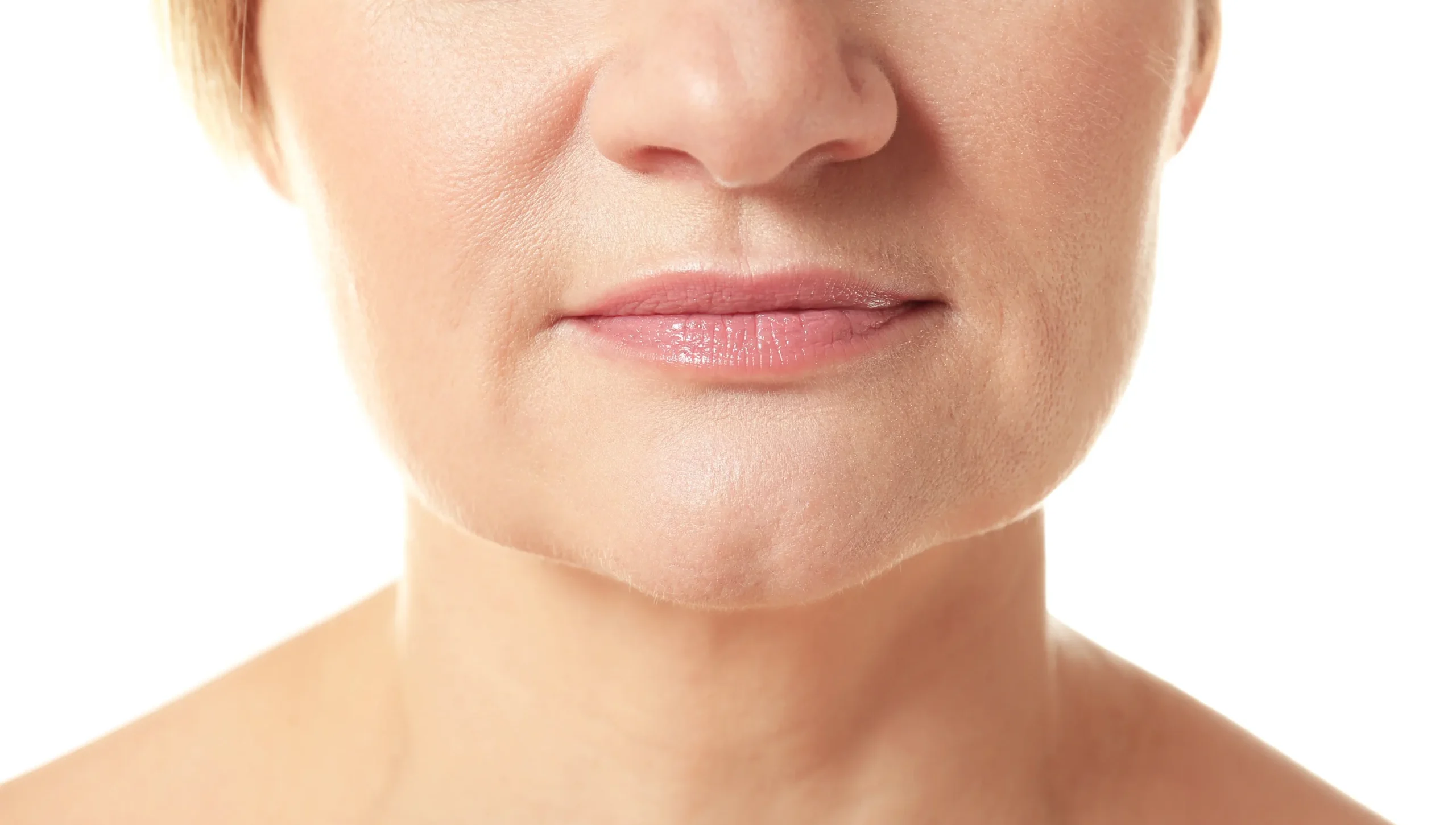
From this perspective, sagging cheeks should be understood as a structural issue rather than a problem limited to fat or skin laxity alone. Recognizing these signs early can help reduce the risk of choosing inappropriate treatments and improve the overall effectiveness of facial care.
Why Do Some Treatments For Sagging Cheeks Make The Face Look Older?
A common concern among patients is that after attempting to correct sagging cheeks, the face may appear stiffer, heavier, or more aged. This can occur due to several factors, particularly when treatments are not aligned with the individual’s actual facial structure.
In summary, treatments that make the face appear older often result from methods that do not correspond to the true facial structure. Selecting procedures based on trends or familiarity, rather than personalized assessment, may lead to unsustainable results and unnecessary repeated expenses.
Sagging Cheeks Should Be Corrected At The Root Cause—Not Just Tightened
The key to effective management of sagging cheeks lies in a thorough analysis of the underlying causes, rather than simply choosing treatments that provide short-term lifting effects. True aesthetic enhancement should be based on long-term balance and suitability.
Common Approaches Physicians Use To Treat Sagging Cheeks—Based On Individual Conditions
Ultimately, treatment selection should be based on individualized assessment. Appropriate correction not only improves appearance but also preserves facial harmony and natural expression over the long term.
Conclusion: Correcting Sagging Cheeks Properly Prevents Premature Aging And Saves Costs Long Term
Addressing sagging cheeks correctly from the outset helps achieve a more youthful, natural appearance while reducing the need for repeated corrective procedures. Sustainable beauty is achieved through thoughtful planning and structural understanding—not by focusing solely on visible surface concerns.
Appropriate management of sagging cheeks keeps the face looking refreshed, soft, and youthful, while remaining cost-effective in the long run. Consulting with an experienced medical professional is therefore an essential first step toward confident facial care.
Lifting Sagging Cheeks With The EndoliftX Laser Fiber Program: A Structural Approach From Within
Among treatments that focus on correcting sagging cheeks at a structural level, the EndoliftX Laser Fiber Program has gained increasing attention. This innovative laser technology is designed to lift and rejuvenate deeper skin layers without surgery, making it suitable for individuals with sagging cheeks combined with skin laxity and localized fat accumulation.
At Dr. Vanda Aesthetic Clinic, we incorporate the EndoliftX Laser Fiber Program as part of our facial treatment options because of its precision and ability to address structural concerns effectively—when performed under professional medical evaluation and supervision.
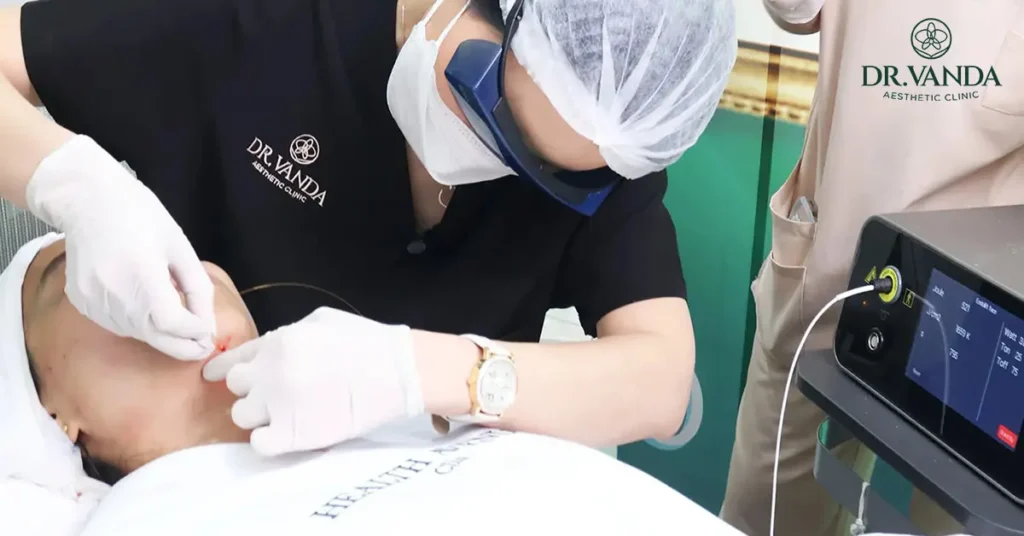
The EndoliftX Laser Fiber Program utilizes laser technology with a wavelength of 1470 nm, delivered through a fine optical fiber inserted beneath the skin via a small entry point. The laser energy is directed precisely to target tissues, stimulating collagen contraction, promoting new collagen formation, and improving overall skin structure for firmer, more natural-looking results.
Additionally, the laser energy can help reduce excess subcutaneous fat in specific areas such as the lower cheeks and jawline—areas commonly associated with facial sagging as aging progresses.
As a result, the EndoliftX Laser Fiber Program is designed to address laxity from within without surgery, making it suitable for individuals seeking natural lifting results while minimizing unnecessary invasiveness.
The EndoliftX Laser Fiber works by delivering controlled thermal energy through a fine optical fiber into targeted skin layers. This heat stimulates collagen fiber contraction and encourages long-term collagen regeneration.
For sagging cheeks, the laser can also help manage fat displacement caused by gravity while improving local blood circulation, leading to enhanced overall skin quality.
Therefore, the EndoliftX Laser Fiber Program addresses sagging cheeks at a structural level—targeting skin, collagen, and subcutaneous fat—by emphasizing internal restoration rather than superficial lifting alone.
The EndoliftX Laser Fiber Program is suitable for individuals with mild to moderate sagging cheeks, particularly those with both skin laxity and localized fat accumulation. Treatment can improve cheek firmness, enhance facial proportions, and refine skin texture in the treated areas.
However, suitability must be determined by a physician, as individuals with more severe laxity may require additional or alternative treatment approaches.
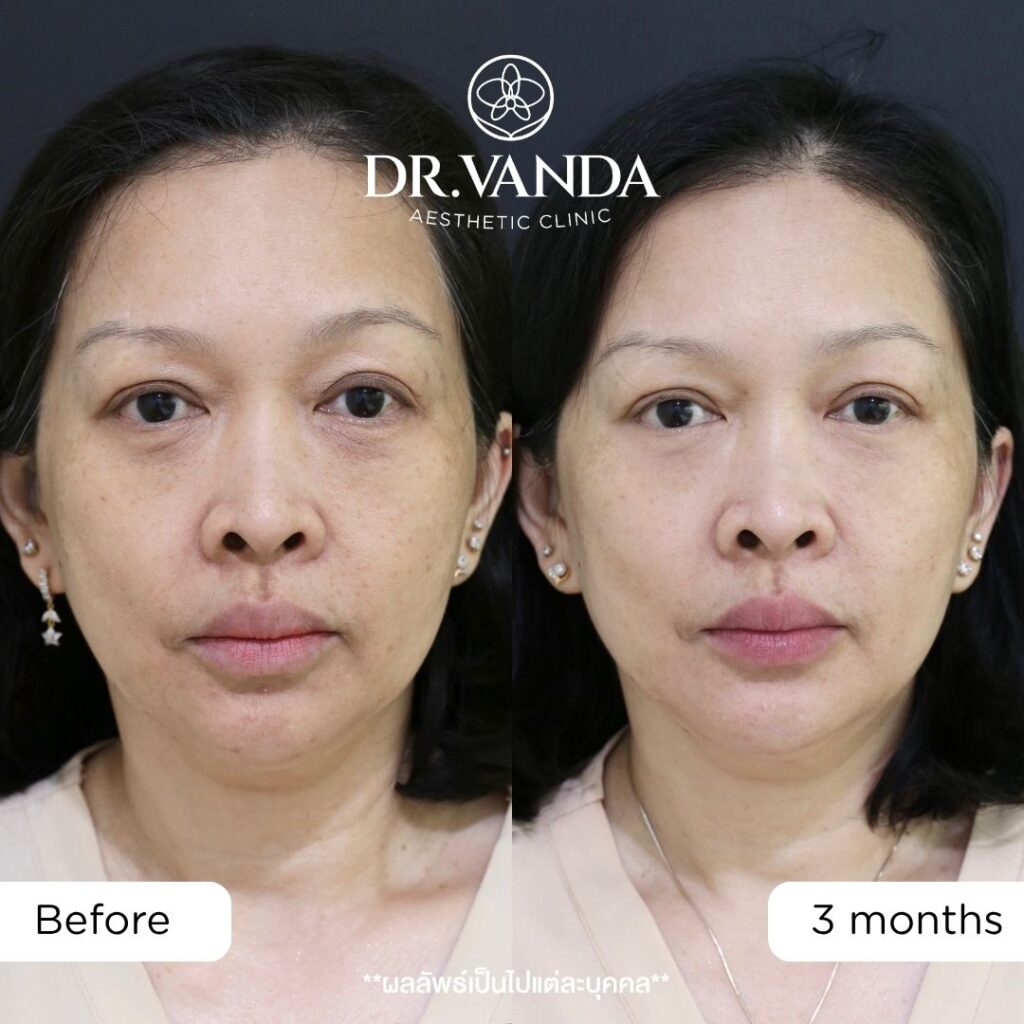
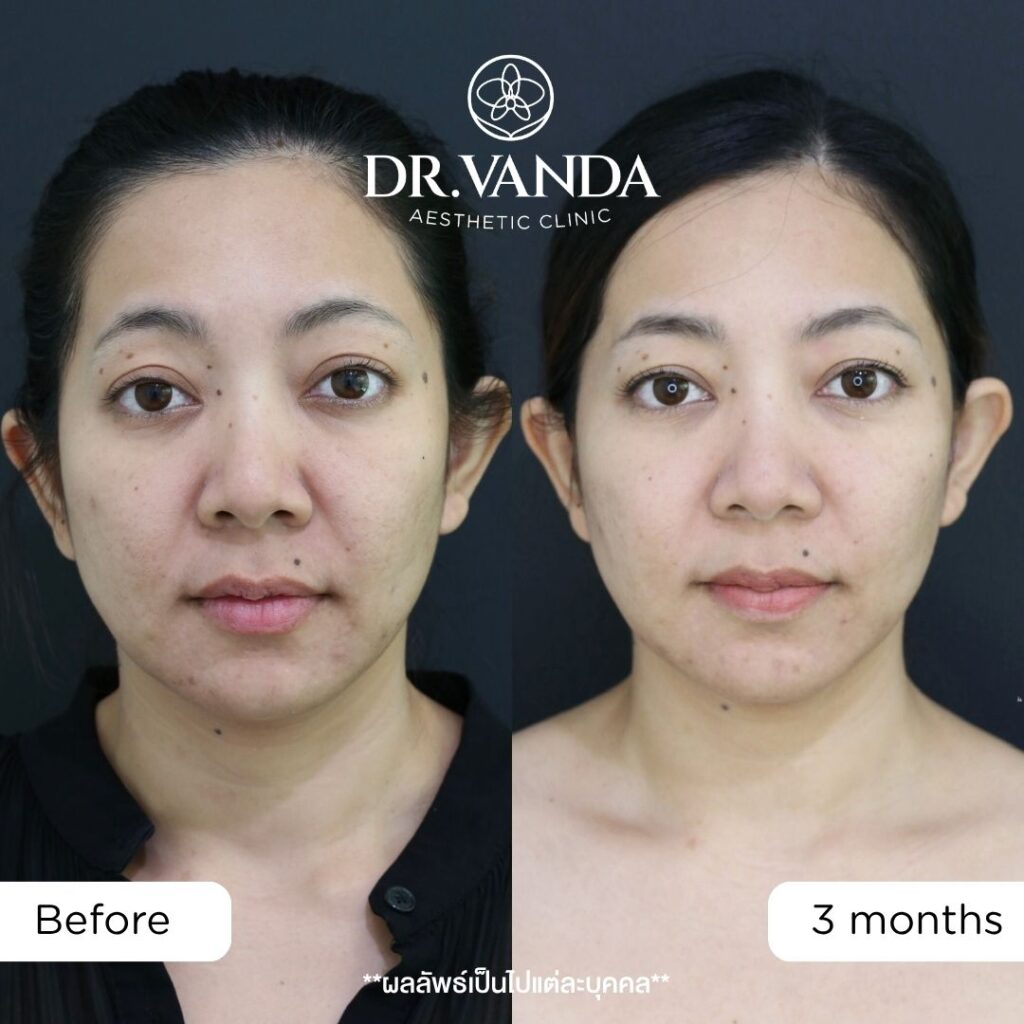
( Review EndoliftX From Dr.Vanda Aesthetic Clinic )
Why Choose The EndoliftX Laser Fiber Program At Dr. Vanda Aesthetic Clinic?
After reviewing the information above, many readers may now understand what the EndoliftX Laser Fiber Program is, its benefits, and expected outcomes. The next important question is where to receive EndoliftX Laser Fiber treatment safely and effectively.
At Dr. Vanda Aesthetic Clinic, we provide care under the supervision of experienced aesthetic physicians and adhere to standardized medical protocols. We carefully select technologies that address facial concerns at their true causes, aiming to achieve optimal outcomes for every patient.
Our physicians oversee every step of the treatment process to ensure precise assessment, safe procedures, and clearer, more reliable results—allowing patients to feel confident in their facial care journey with us.