
Submental fat is a concern that many individuals do not intentionally develop, yet it gradually accumulates over time and becomes more noticeable when looking in the mirror or taking photographs. Common signs include folds in the neck area, a less defined jawline, and facial proportions that no longer appear balanced. Importantly, this concern does not affect only those who have gained weight; it can also be observed in individuals with a normal body shape or even those who take good care of themselves.
What makes submental fat particularly concerning for many people is its clear impact on overall facial appearance. It can make the face appear shorter, heavier, or unnecessarily fatigued, and it is often more difficult to address than fat accumulation in other areas of the body. As a result, many individuals begin to question whether this issue can improve on its own through self-care, or whether it should be assessed and treated medically at an early stage.
Understanding submental fat correctly from the outset can make decision-making easier, helping individuals choose the most appropriate approach for themselves while avoiding ineffective or unnecessary treatments.
Submental Fat And Facial Contour: Can It Disappear Naturally, Or Does It Require Medical Intervention?
Submental fat is often first noticed through subtle facial changes. Angles that were once sharp may begin to appear softer, the face may lose its slim contour, and overall appearance can seem older without one realizing it. This naturally leads to an important question: can submental fat resolve on its own, or is it a condition that requires medical procedures?
This article aims to provide a clear and straightforward understanding of submental fat—from its underlying causes and how to assess it, to guidance on choosing the most appropriate treatment approach—so that every step of care is both effective and worthwhile.

What Is Submental Fat And Why Does It Become More Noticeable Over Time?
Submental fat refers to the accumulation of fat beneath the jawline and chin. This area is one where the body tends to store fat more readily in certain individuals. As fat increases in this region, the jawline becomes less defined, a “double chin” may appear, and the boundary between the face and neck can become unclear.
A common misconception is that submental fat is caused solely by excess body weight. In reality, even individuals who are slim or within a normal weight range can develop fat accumulation in this area. Additionally, submental fat differs from skin laxity or weakened neck muscles, each of which requires a different treatment approach. Without clearly identifying the cause, treatment may be misdirected and yield unsatisfactory results.
Recognizing whether the concern beneath the chin is truly fat or involves other contributing factors is therefore a crucial first step. Identifying the root cause allows for effective, targeted treatment without unnecessary time or expense.
What Causes Submental Fat?
Genetics play a significant role in the development of submental fat. Some individuals naturally have a shorter chin, a retruded chin, or less-defined jawline structure, making the area beneath the chin more prone to fat accumulation—even without weight gain.
In such cases, submental fat may become noticeable at a relatively young age and often responds poorly to weight loss or exercise alone. Understanding one’s facial structure helps guide the selection of a more suitable treatment approach.
When submental fat is largely structural in origin, external self-care methods may offer limited improvement, and a detailed medical assessment is often necessary to create an effective treatment plan.
When the body receives excess energy, fat is stored in various areas. For some individuals, the submental area is one of the first places where fat accumulates, leading to visible changes in facial contour even with minimal weight gain.
A common frustration arises when overall weight decreases, yet submental fat remains unchanged. This can cause individuals to doubt whether their self-care efforts are effective.
Observing both body weight changes and facial appearance together can help determine whether submental fat is weight-related or represents localized fat that may require additional targeted treatment.
As we age, the skin gradually loses elasticity due to reduced collagen and elastin production. As a result, fat that was once well-positioned may appear to sag, particularly in the submental area.
In some cases, the issue is not an actual increase in fat but rather skin laxity that makes existing fat more visible. This distinction is important, as treating fat alone without addressing skin quality may not produce natural or long-lasting results.
A comprehensive assessment of both fat and skin condition is therefore essential for achieving balanced, natural-looking outcomes.
Everyday habits such as prolonged downward gaze at smartphones, maintaining the same seated posture for long periods, or sleeping in positions that repeatedly crease the neck can affect the neck and submental area over time.
While these habits may not directly cause fat accumulation, they can weaken neck muscles, contribute to skin laxity, and make existing fat appear more prominent.
Although often overlooked, addressing these factors alongside other treatments can help slow further changes and prolong treatment results.
Self-Care Approaches For Early-Stage Submental Fat
Maintaining a healthy body weight is a fundamental step in reducing overall fat accumulation, including submental fat. Neck exercises and posture correction may also help improve firmness and reduce mild laxity to some extent.
However, these approaches require time and consistency, and results vary depending on individual anatomy and facial structure.
Self-care is therefore most suitable as an initial or supportive approach. If noticeable improvement is not achieved, it may be appropriate to consider other options.
When Does Submental Fat Not Resolve On Its Own, And When Should Procedures Be Considered?
If consistent self-care does not lead to improvement and submental fat remains prominent or begins to affect confidence, it may indicate that the issue is unlikely to resolve naturally.
Recognizing the right time to consider medical procedures can help save both time and long-term costs by avoiding repeated trial-and-error approaches.
This section helps readers assess whether it may be time to move toward professional treatment.
Signs That Self-Care May No Longer Be Sufficient
If body weight remains stable or within a normal range but submental fat is still clearly visible—or if palpation reveals a true fat pocket rather than simple skin laxity—self-care alone may no longer be effective.
Additionally, when fat accumulation is accompanied by skin laxity, fat reduction alone may be insufficient. Skin tightening procedures may also be required to achieve a defined, natural-looking contour.
A professional medical assessment can provide a comprehensive view of the issue and guide individualized treatment planning.

Submental Fat Reduction Procedures: Options And Suitability
There are currently several procedures available to address submental fat, each with its own advantages and limitations. Choosing the most appropriate option based on the underlying condition is more important than simply following trends.
This section provides an overview of available treatments, focusing on informed
This option is suitable for individuals with mild to moderate submental fat and good skin elasticity. Fat-dissolving injections reduce the number of fat cells in the targeted area, resulting in a more refined chin contour with natural-looking results.
Multiple sessions are typically required, and changes occur gradually rather than immediately. Proper evaluation of fat volume prior to treatment is therefore essential.
For individuals with both fat accumulation and skin laxity, combining skin-tightening technologies with fat reduction can enhance and prolong results.
This approach is suitable for those seeking a slimmer, firmer facial contour without prolonged downtime.
Submental liposuction is appropriate for individuals with a larger volume of fat that does not respond to other methods. While results can be significant, the procedure must be performed by an experienced physician, with appropriate post-procedure care planning.
As not everyone requires this approach, thorough evaluation remains a critical step.
How To Choose The Right Approach Without Unnecessary Expense
The key to effective submental fat treatment lies in accurately identifying whether the primary issue is fat, skin laxity, or facial structure. An incorrect initial assessment may lead to multiple treatments with unsatisfactory results.
Personalized evaluation by a qualified physician allows for a balanced treatment plan—neither excessive nor insufficient—ensuring long-term value and effective outcomes.
Conclusion: Can Submental Fat Resolve On Its Own, And How Should You Decide?
In some cases, submental fat can improve naturally when addressed early and managed appropriately. However, when the issue is pronounced and affects confidence, well-chosen medical procedures may offer a more effective solution.
The most important factor is not rushing into treatment, but rather understanding one’s own condition and selecting an approach that aligns with facial structure and lifestyle.
Professional guidance from a qualified aesthetic physician can help ensure confident decisions and natural-looking results.
Addressing Submental Fat With The EndoliftX Laser Fiber Program
For individuals experiencing both submental fat and skin laxity, conventional care or certain procedures may not fully address the issue. Advanced technologies have therefore been developed to target these concerns more precisely from within. One such option is the EndoliftX Laser Fiber program, offered at Dr. Vanda Aesthetic Clinic as a non-surgical approach to submental fat and skin laxity.
EndoliftX Laser Fiber utilizes ultra-thin laser fibers to deliver energy beneath the skin, helping to tighten tissue, stimulate collagen production, and address localized fat accumulation—all without surgery and with minimal downtime.
In the submental area, this technology is suitable for individuals seeking both contour refinement and skin firmness, based on personalized medical evaluation.
Importantly, EndoliftX Laser Fiber is not designed to replace all procedures, but rather serves as an alternative option for those with specific concerns involving submental fat and mild to moderate skin laxity.
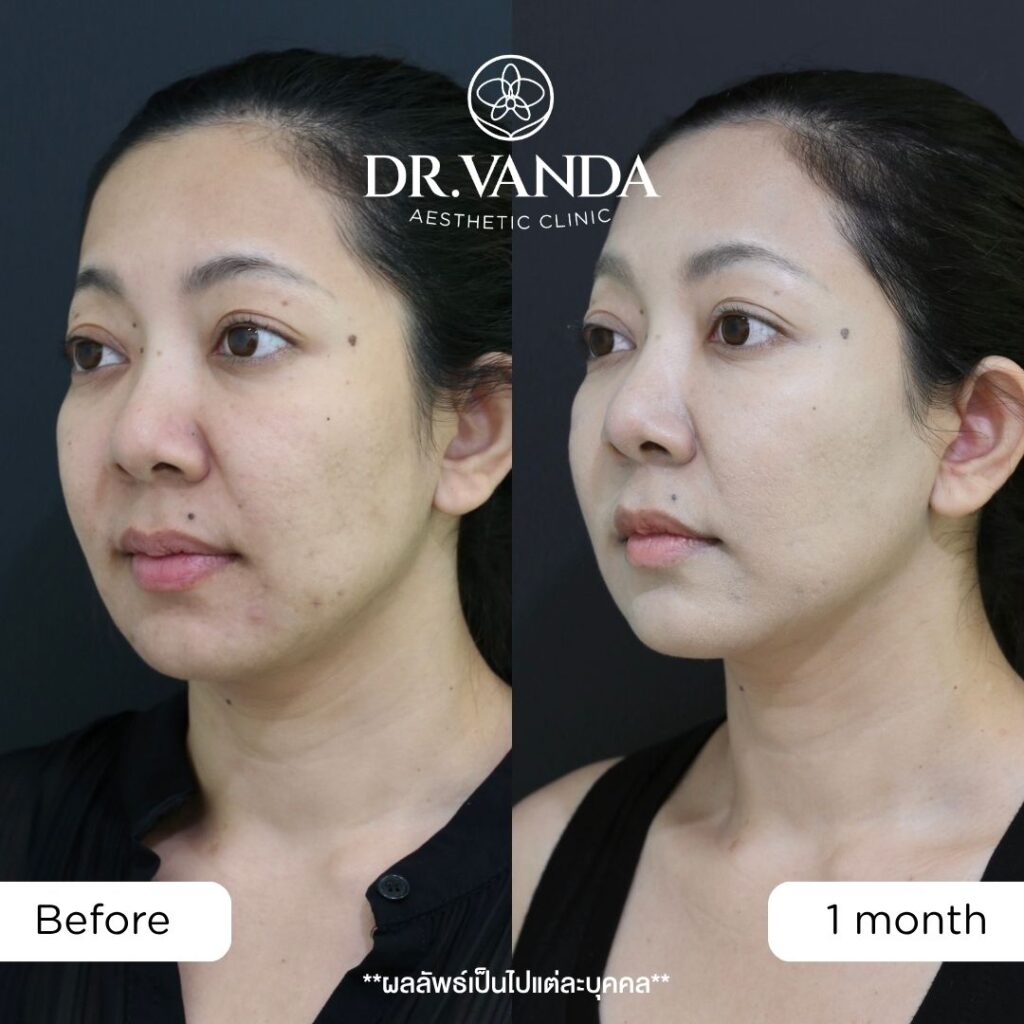
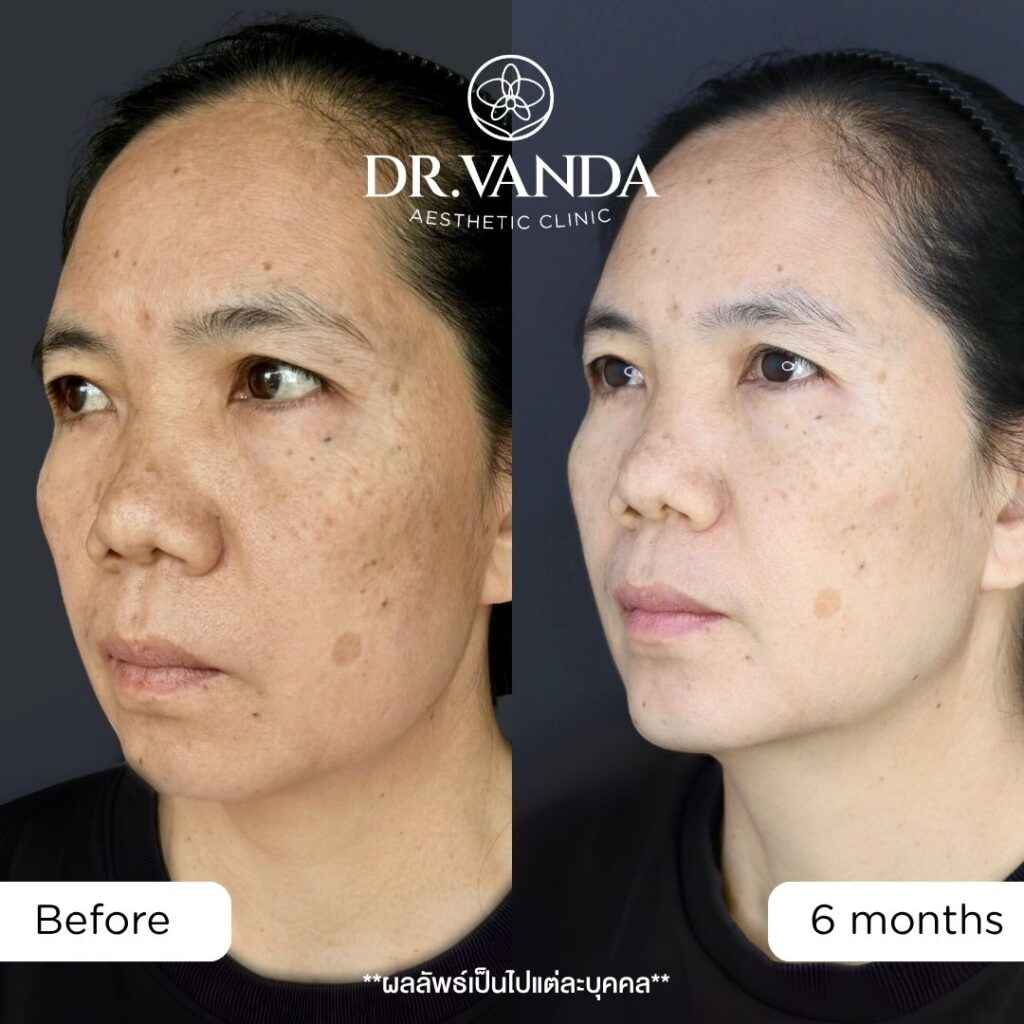
( Review EndoliftX From Dr.Vanda Aesthetic Clinic )
Why Choose The EndoliftX Laser Fiber Program At Dr. Vanda Aesthetic Clinic?
After reviewing the information above, many readers may now have a clearer understanding of what EndoliftX Laser Fiber is, its benefits, and the results it can provide. The next important question is where to undergo this treatment to ensure safety, quality, and physician-led care.
At Dr. Vanda Aesthetic Clinic, treatments are performed by qualified aesthetic physicians following standardized medical protocols. We incorporate advanced technologies designed to address the root cause of each concern, ensuring that every treatment delivers optimal results.
With specialized physicians overseeing every step of care, patients can feel confident in receiving personalized treatment plans and achieving clearer, more satisfying outcomes under our professional care.