Facial sagging and drooping cheeks are changes that many individuals gradually begin to notice on their own. The facial contour may no longer appear as sharp as before, the cheeks may seem lower, or the overall facial appearance may look less firm and less defined. These changes often develop slowly over time, making them easy to overlook in the early stages.
A common misconception is that facial sagging or drooping cheeks are caused solely by aging. In reality, multiple factors contribute to changes in facial appearance, including skin quality, subcutaneous fat, and the underlying facial structure. Each of these elements plays a different role, and their impact varies from person to person.
Therefore, before choosing any facial tightening or rejuvenation approach, it is essential to accurately understand the underlying cause of the concern. Addressing the problem at its root not only enhances the effectiveness of treatment but also helps achieve balanced, natural-looking results that truly complement each individual’s facial structure.
Facial Sagging And Drooping Cheeks Affect Confidence — What Are The Solutions?
Facial sagging, drooping cheeks, and double chin are concerns that many people begin to notice as they age. However, these conditions are not caused by age alone, nor do they stem from the same underlying factors in every individual. In some cases, the issue is related to declining skin quality; in others, it may result from localized fat accumulation or gradual changes in facial structure over time.
Understanding the true cause of these concerns is therefore the crucial first step in selecting an appropriate facial tightening or contouring approach. Tailoring the treatment plan to each individual’s facial anatomy allows for the most natural-looking and harmonious results. Let us explore the key details that everyone should understand before deciding on facial rejuvenation solutions.
Are Facial Sagging, Drooping Cheeks, And Double Chin The Same Problem?
Although facial sagging, drooping cheeks, and double chin often occur simultaneously and contribute to a similar appearance—making the face look less firm and more aged—they are not considered the same condition in medical aesthetics.
Facial sagging is primarily associated with skin quality and loss of elasticity. Drooping cheeks may result from changes in the skin, fat, or facial structure, while a double chin is commonly related to fat accumulation or skin laxity along the jawline. Without a precise analysis of the underlying cause, choosing a treatment based solely on the overall appearance may lead to suboptimal or short-lived results.
For this reason, distinguishing between each concern and understanding its specific origin is an essential step that should not be overlooked before undergoing facial aesthetic treatments.
What Are The Main Causes Of Facial Sagging, Drooping Cheeks, And Double Chin?
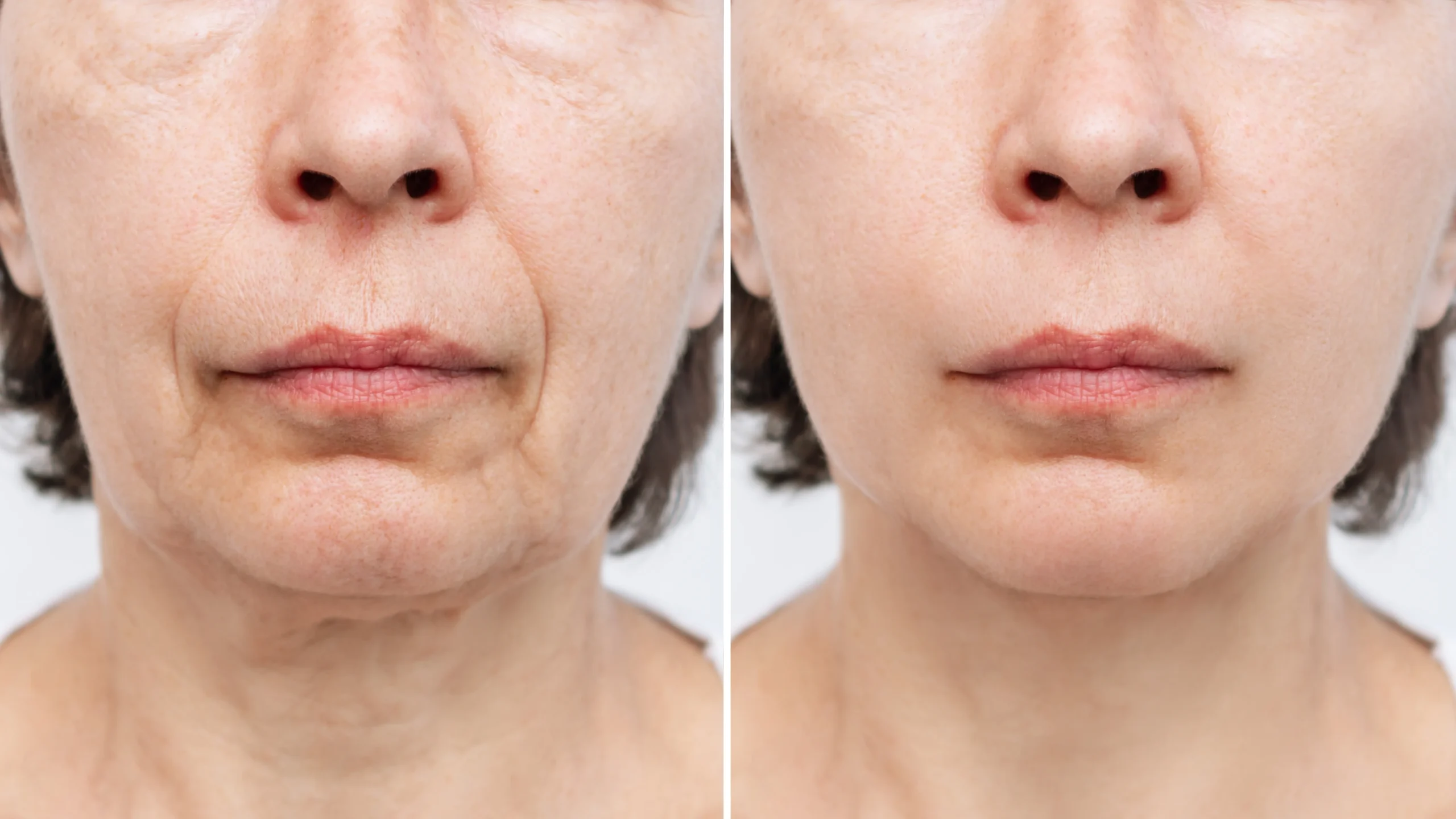
As we age, essential structural components of the skin—such as collagen and elastin—gradually decline. This natural process leads to reduced elasticity, firmness, and skin density. As a result, the skin becomes less able to resist gravity and begins to sag over time.
Individuals with skin-related sagging often notice that their skin appears thinner and less firm, even if there is not much facial fat present. Nasolabial folds may become more pronounced, the jawline less defined, and the overall facial appearance may look weaker or less resilient.
Factors that accelerate skin laxity include excessive sun exposure, environmental pollution, insufficient rest, and inconsistent skincare routines. When the primary cause lies within the skin itself, treatment should focus on restoring and strengthening the skin’s underlying structure at a deeper level.
Addressing skin-related concerns directly can help achieve natural facial lifting effects while also slowing the progression of sagging in the long term.
Facial fat is another significant factor contributing to sagging and loss of facial definition. When fat accumulates in unfavorable areas—such as the lower cheeks, jawline, or under the chin—the weight of the fat can pull the skin downward over time.
Individuals with fat-related concerns often feel that their face looks heavy, the cheeks appear fuller, and the double chin becomes more visible, especially when viewed from the side or when tilting the head downward. Even without significant weight gain, changes in facial fat distribution can become noticeably apparent.
Many people wonder why weight loss does not always result in a slimmer or more defined face. This is because facial fat has unique characteristics and does not always decrease proportionally with overall body fat. Without proper analysis, treatment choices may fail to effectively target localized facial fat.
Appropriate fat management combined with skin support can help create a lighter facial appearance, enhance jawline definition, and restore overall facial balance.
Another often-overlooked factor is changes in the underlying facial bone structure. As we age, certain facial bones gradually resorb or lose volume, reducing the foundational support for the skin and soft tissues.
Individuals with structural-related concerns may notice that their face appears flatter, the cheeks look hollow yet sagging, or that skin laxity persists despite having minimal facial fat. In such cases, focusing solely on skin or fat treatments may not yield significant or long-lasting results.
Facial structure can be compared to the framework of a house—if the foundation weakens, even well-maintained walls cannot maintain their original shape. Therefore, detailed analysis of the facial structure is essential. Treatments that take facial anatomy into account can help restore dimension, improve lifting effects, and maintain natural-looking results over time.
In many cases, patients do not experience just one cause but rather a combination of factors, such as thin skin with fat accumulation or bone structure changes accompanied by skin laxity. Layer-by-layer analysis allows for more precise treatment planning and helps reduce the risk of choosing an approach that does not address the true cause of the concern.
Can Facial Sagging, Drooping Cheeks, And Double Chin Occur Together?
In clinical practice, most individuals experience facial concerns caused by multiple factors rather than a single cause. For example, skin laxity may occur alongside fat accumulation, or facial structural changes may develop together with thinning skin.
Focusing treatment on only one aspect may provide partial improvement but may not fully address the problem. A comprehensive assessment approach is therefore the cornerstone of modern facial aesthetic care.
When the condition is evaluated across all relevant layers, a personalized treatment plan can be developed to achieve balanced, natural-looking, and harmonious results that align with each individual’s true facial anatomy.
A Preliminary Self-Assessment: What Type Of Facial Sagging Do You Have?
Basic self-observation can help provide an initial understanding of facial concerns. If the skin feels loose and less firm without significant facial fat, the issue may primarily relate to skin quality. If the face feels heavy, the cheeks appear pulled downward, and the double chin is prominent, fat may be a major contributing factor.
If the face looks flatter, the cheeks appear hollow yet sagging, or previous skin-focused treatments provided only short-term results, the concern may involve the facial structure. However, self-assessment serves only as a general guideline.
A professional evaluation by an experienced aesthetic physician is essential to accurately diagnose the underlying causes and determine the most suitable treatment approach.
Treating Facial Sagging, Drooping Cheeks, And Double Chin With The EndoliftX Program
Once it is understood that facial sagging, drooping cheeks, and double chin may arise from the skin, fat, or facial structure, selecting a treatment that can address multiple layers simultaneously becomes increasingly important. One technique gaining significant attention is the EndoliftX program—an advanced laser innovation designed to target facial laxity at its source.
The EndoliftX program focuses on deep-layer treatment without surgery, making it suitable for individuals seeking facial lifting, jawline refinement, and improved firmness while maintaining natural-looking results.
Choosing the EndoliftX program is not merely about tightening the skin but about enhancing the overall skin and tissue structure to promote a more youthful, balanced facial appearance over the long term.
EndoliftX Laser Fiber Technique By Dr. Vanda At Dr. Vanda Aesthetic Clinic
One of the key factors influencing EndoliftX outcomes is the Laser Fiber technique, which requires more than simply delivering laser energy beneath the skin. It demands a deep understanding of individual facial anatomy.
The EndoliftX system utilizes an ultra-thin laser fiber—thinner than a strand of hair—with a wavelength of 1470 nm. This allows the physician to precisely control the direction, depth, and target areas of laser energy delivery. The treatment focuses on selective fat reduction in areas such as the jawline, cheeks, and chin while effectively addressing skin laxity.
This precise approach enhances lifting effects, improves facial balance, ensures uniform tightening, and minimizes unnecessary side effects. Factors such as laser fiber placement, layer selection, and appropriate lifting force all directly influence treatment outcomes.
When performed by an experienced physician with a comprehensive understanding of facial proportions, the EndoliftX program delivers natural-looking, non-rigid results that align seamlessly with each individual’s facial structure.
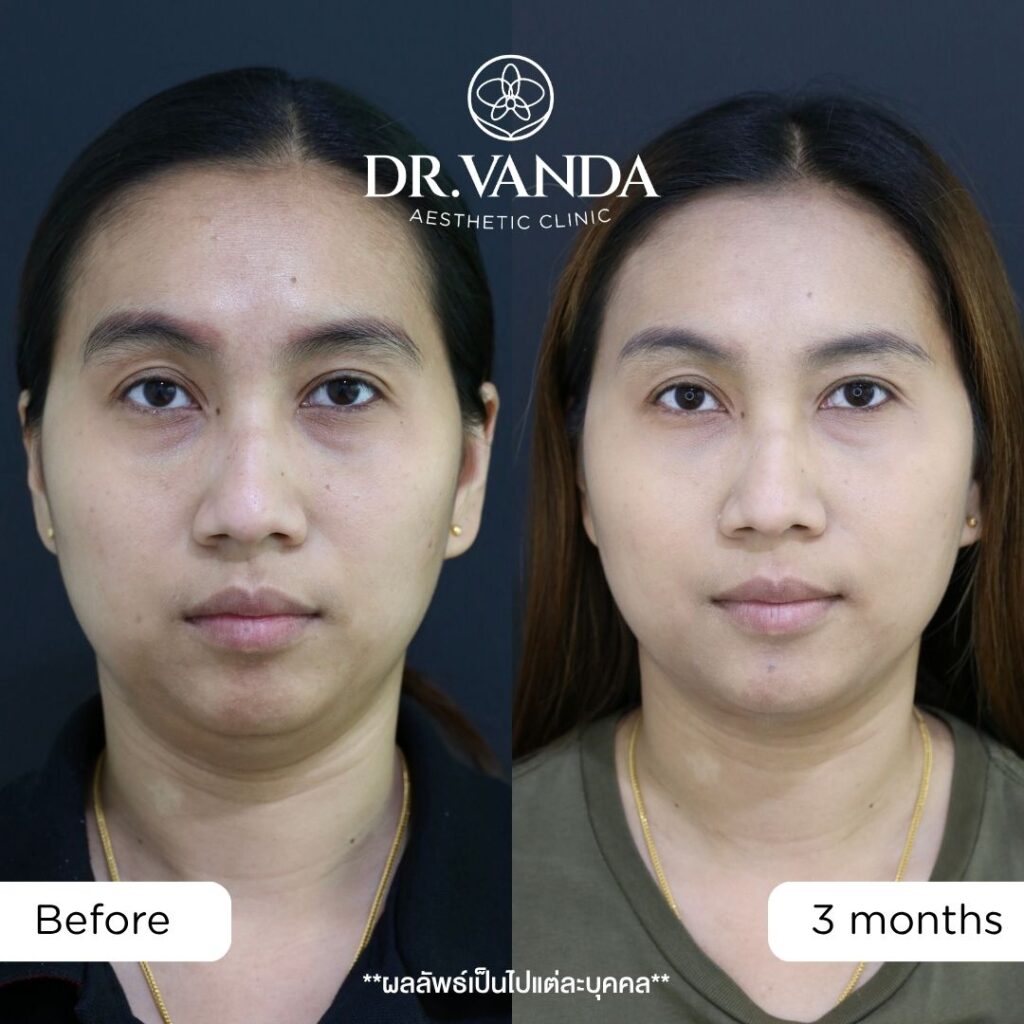
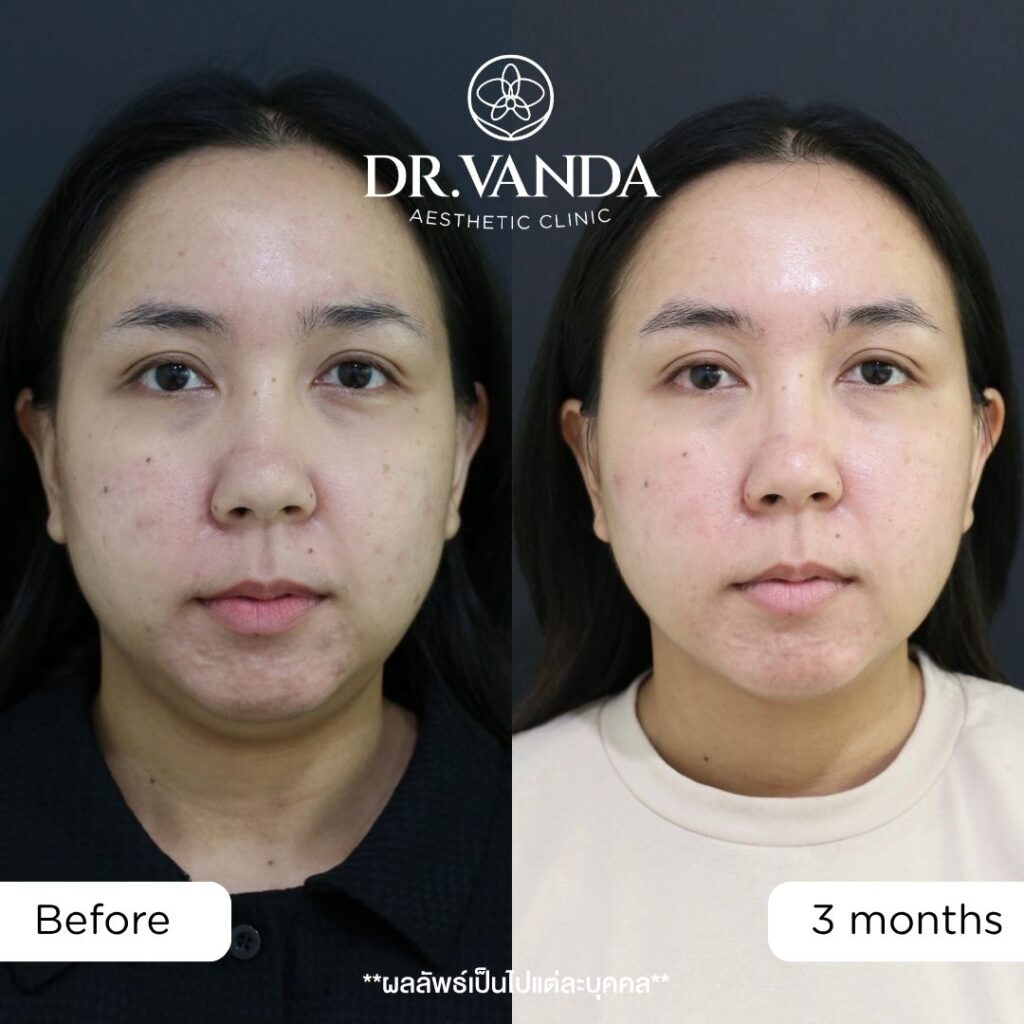
( Review EndoliftX From Dr.Vanda Aesthetic Clinic )
Conclusion: EndoliftX As A Targeted Solution For Facial Sagging
Facial sagging, drooping cheeks, and double chin are complex concerns that vary from person to person. Selecting a treatment capable of addressing multiple contributing factors simultaneously increases the likelihood of achieving long-lasting and visible results.
The EndoliftX program represents a comprehensive approach to managing facial laxity from a medical aesthetic perspective. By focusing on targeted lifting based on accurate diagnosis and personalized treatment planning by an experienced aesthetic physician, EndoliftX offers natural-looking outcomes and supports confident facial care in the long term.