Facial sagging in individuals aged 40 and above is a common skin concern that becomes increasingly noticeable with age. Changes such as a less defined jawline, slightly drooping cheeks, or loose skin beneath the chin may gradually appear over time. These changes are often associated with natural alterations in the skin’s structure, including the gradual decline of collagen and elastin, which play a crucial role in maintaining skin firmness and elasticity.
As the skin begins to lose its tightness, many people start looking for ways to improve facial firmness and contour. In particular, non-surgical approaches to skin tightening have become increasingly popular. Today, various aesthetic technologies have been developed to address these concerns without the need for invasive procedures.
One option that has been frequently discussed among individuals experiencing skin laxity is The EndoliftX Program, a technology used to help manage sagging skin in certain areas of the face. However, many people still wonder whether this approach can remain effective once skin concerns begin to appear in the 40+ age group, or when the most appropriate time to start such treatments may be.
Can Facial Sagging In Your 40s Still Be Treated? Is The EndoliftX Program Still Effective?
As people age, many begin to notice gradual changes in facial skin that was once firm and lifted. The jawline may appear less defined, the cheeks may start to descend slightly, and nasolabial folds may become more prominent. These concerns tend to become more noticeable after the age of 40, leading many individuals to question whether non-surgical solutions can still help improve these conditions.
Today, various aesthetic technologies have been developed to help manage skin laxity. One of the approaches that has gained increasing attention in recent years is The EndoliftX Program, a skin tightening technique designed to help improve facial contours.
In this article, Dr. Vanda Aesthetic Clinic will explore the causes of facial sagging in individuals aged 40 and above, and discuss whether the EndoliftX program may still serve as a suitable option for addressing these concerns.
What Causes Facial Sagging After The Age Of 40?
After entering the age of 40, the structure of the skin and the tissues beneath it gradually change as part of the body’s natural aging process. As a result, facial skin that once appeared firm and lifted may begin to sag more easily. Many people may also feel that these changes occur more rapidly compared to earlier stages of life.
Understanding the underlying causes of facial sagging is an important first step. This knowledge can help individuals choose skin care or aesthetic approaches that are more suitable for their skin condition and age.

>> Reduction Of Collagen And Elastin
>> Changes In Skin Structure And Fat Distribution
>> Lifestyle And External Factors
Common Signs Of Facial Sagging In Your 40s
Although skin changes occur gradually, many individuals begin to notice certain visible signs on the face once they reach their 40s. These signs are generally associated with the natural aging process of the skin.
Recognizing these early changes may help individuals plan appropriate skin care or aesthetic treatments more effectively.
- Less defined jawline
One common sign is a jawline that appears less sharp or more blurred than before. This often occurs when the skin around the cheeks and jawline begins to lose firmness. - Drooping cheeks and deeper nasolabial folds
As facial structures change, the cheeks may gradually descend, making nasolabial folds appear deeper and more prominent, which can contribute to an older-looking appearance. - Sagging skin beneath the chin
Some individuals may notice increased laxity under the chin or the development of a double chin, which may make the facial contour appear less defined.
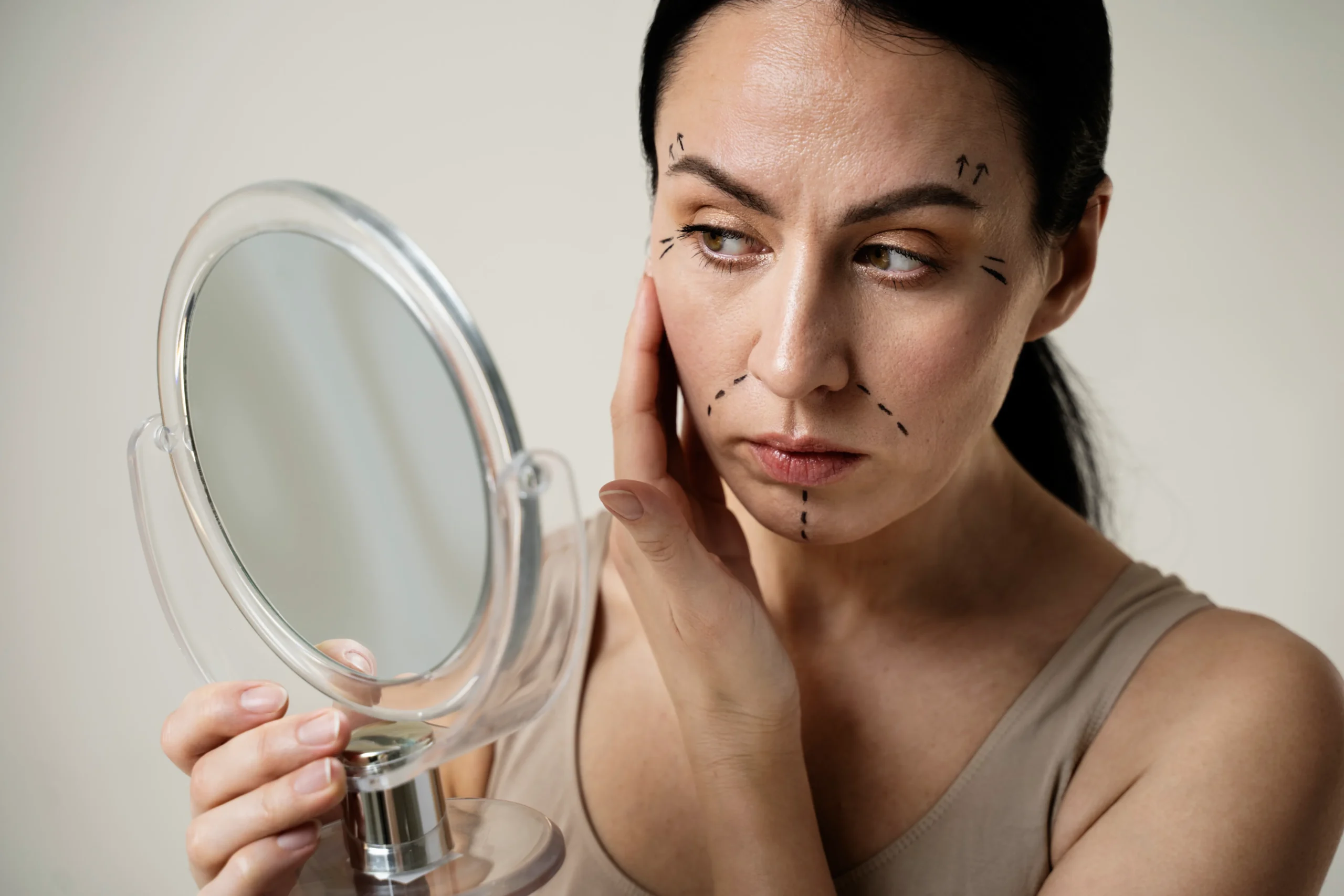
Can Skin Still Be Lifted After 40, Or Is Surgery The Only Option?
Many people assume that once they reach their 40s, surgical procedures may be the only solution for addressing facial sagging. In reality, modern aesthetic technologies now offer a wider range of non-surgical treatment options.
Choosing the appropriate approach should depend on the severity of skin laxity, facial structure, and each individual’s aesthetic goals.
What Is The EndoliftX Program And How Can It Help With Facial Sagging In Your 40s?
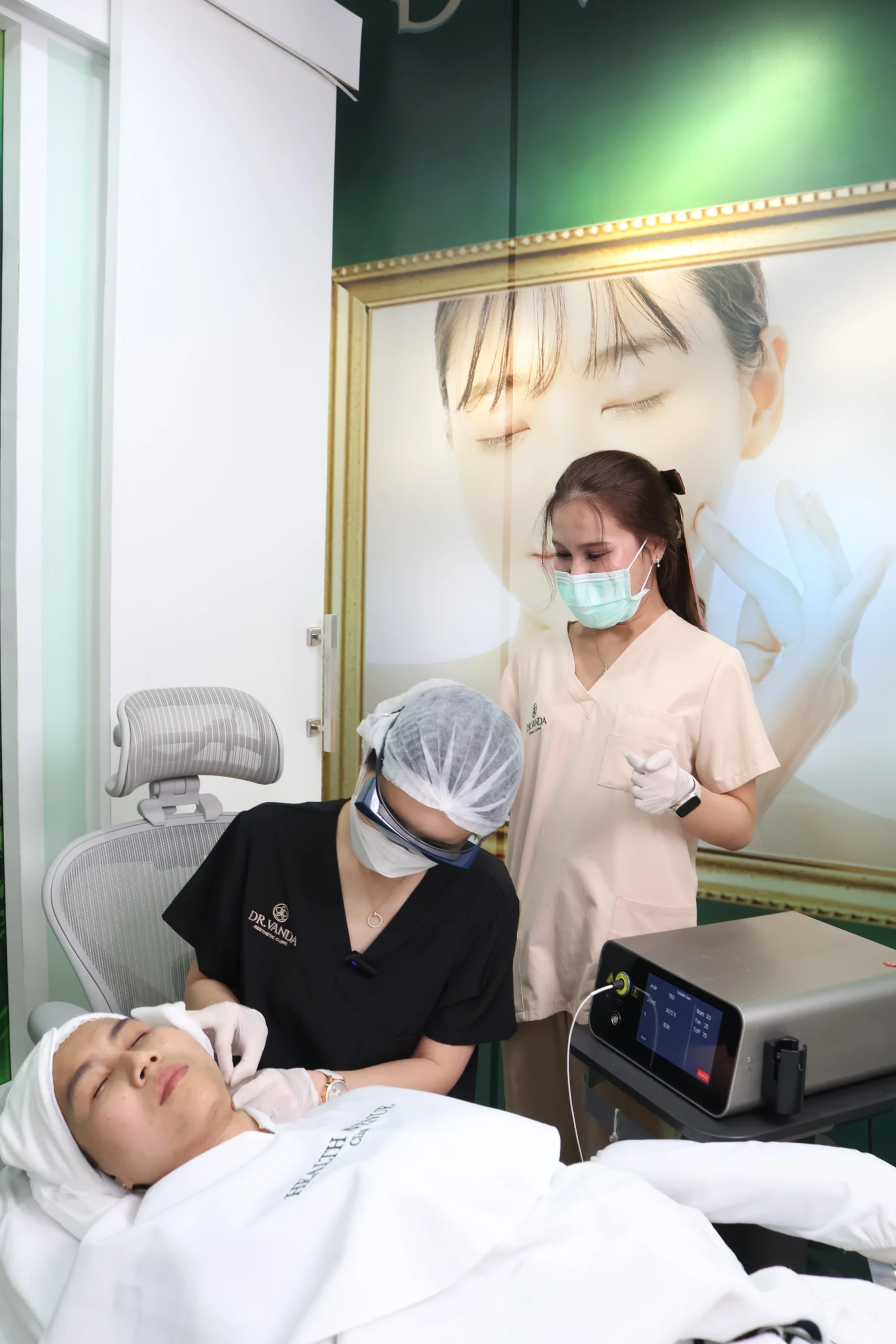
One of the technologies used to address skin laxity is the EndoliftX program, a skin tightening approach that utilizes laser energy delivered through extremely fine optical fibers beneath the skin.
This technique is designed to help manage sagging skin in certain areas of the face without the need for surgical procedures.
Who Is Suitable For The EndoliftX Program In Their 40s?
Although the EndoliftX Program can be one option for addressing skin laxity, it may not be suitable for everyone. A proper skin assessment is therefore an essential step before undergoing any aesthetic procedure.
Understanding whether this approach aligns with one’s skin condition can help individuals make more informed decisions.
Suitable candidates may include…
>> Individuals With Mild To Moderate Facial Sagging
>> Individuals Seeking Non-Surgical Skin Tightening
Some individuals prefer to improve skin firmness while avoiding surgical procedures. The EndoliftX program may be one option that physicians may consider in such cases.
>> Individuals Who Prefer Natural-Looking Results
People who wish to gradually refine facial contours or achieve a more lifted appearance in a subtle and natural way may also show interest in this type of technology.
How Is The EndoliftX Program Different From Other Skin Tightening Methods?
Today, multiple technologies are available for skin tightening, each with different mechanisms and levels of energy penetration.
Understanding these differences may help individuals choose an approach that best suits their needs.
>> EndoliftX VS. Energy-Based Devices
>> EndoliftX VS. Surgical Facelift
>> Choosing The Most Suitable Treatment
Conclusion: Facial Sagging In Your 40s Still Has Treatment Options
In conclusion, facial sagging is a natural change that can occur with age, particularly after the age of 40. However, modern aesthetic technologies now offer various approaches to help address skin laxity without necessarily requiring surgical procedures.
The EndoliftX Program is one option that may be considered in certain cases to help manage facial sagging. Nevertheless, the suitability of this treatment depends on each individual’s skin condition and facial structure.
For those who wish to explore whether this approach may be appropriate for them, consulting with a medical professional at a clinic such as Dr. Vanda Aesthetic Clinic can help provide a clearer understanding of available treatment options and allow for a more personalized skin care plan.
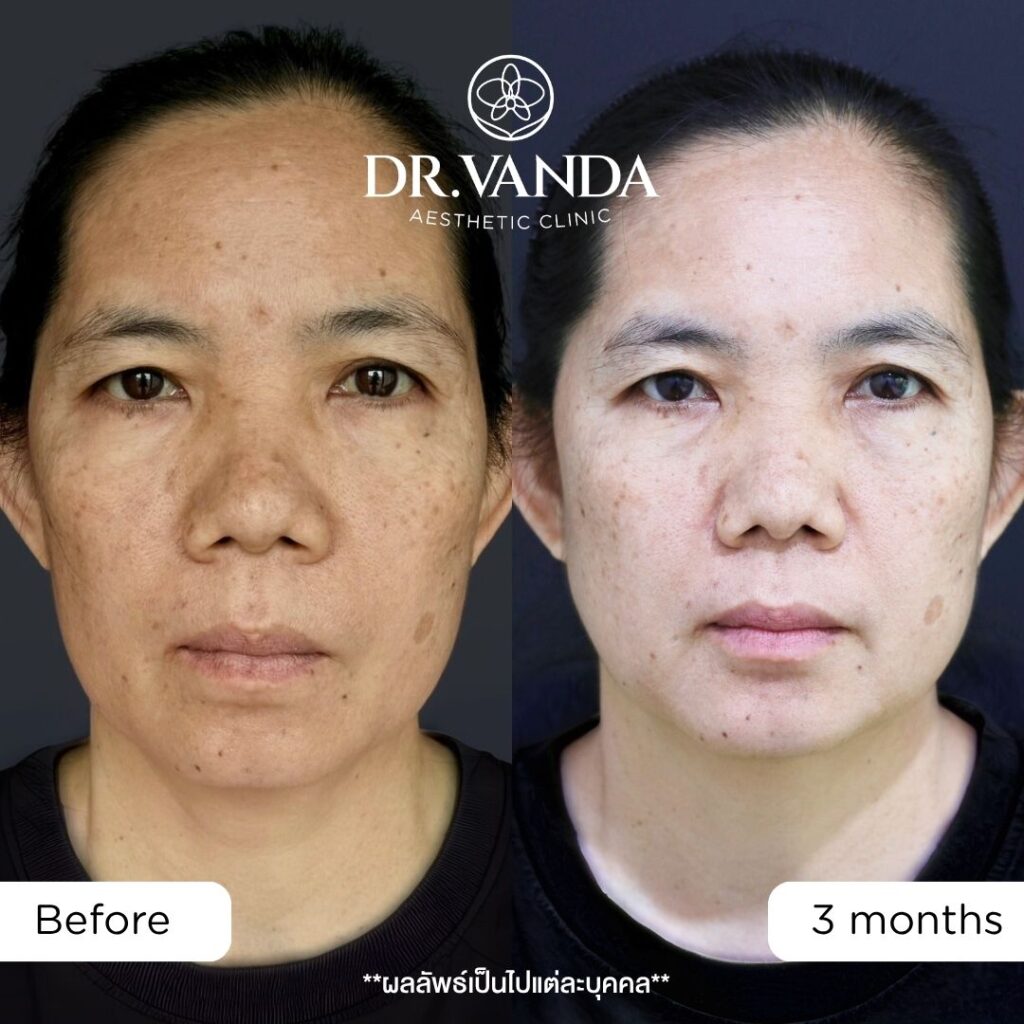
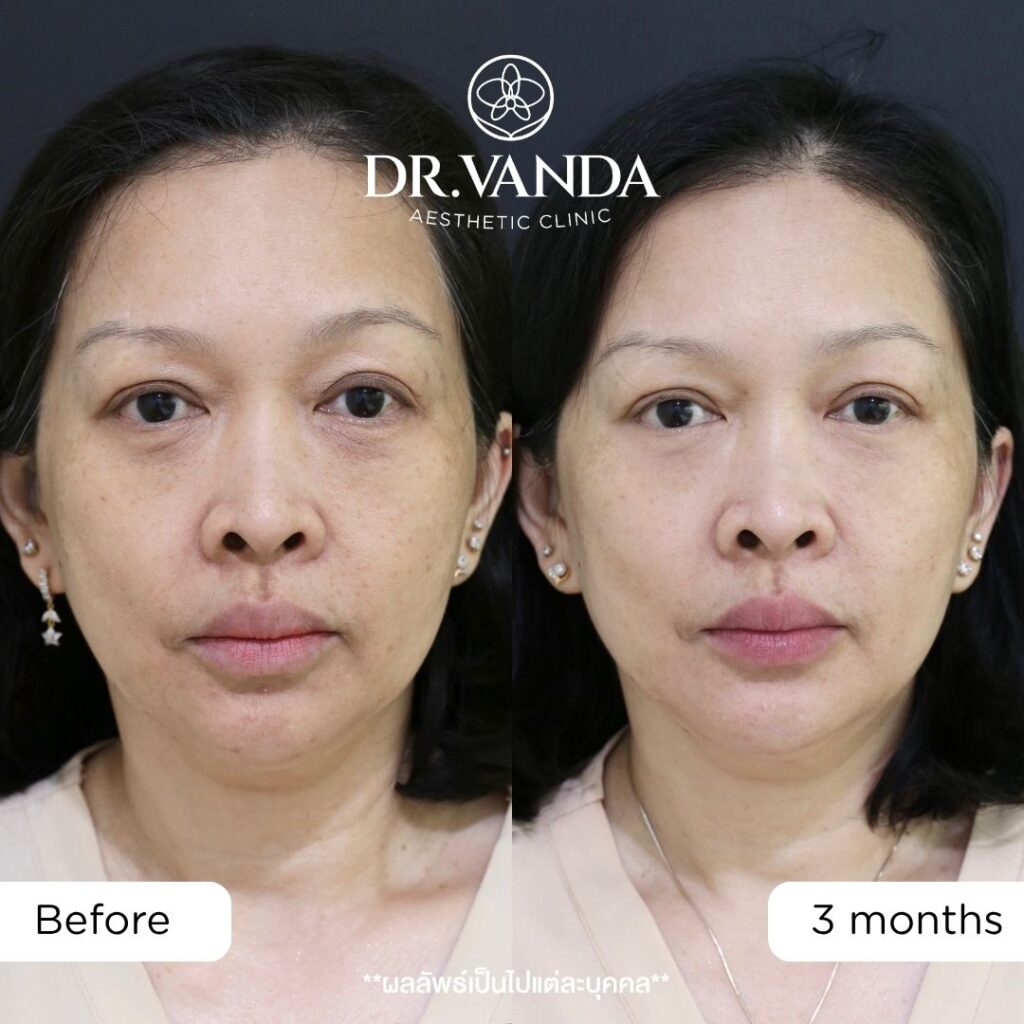
( Review EndoliftX From Dr.Vanda Aesthetic Clinic )