
Age-Related Skin Sagging: How To Care For Your Skin And Restore Collagen For A Firmer, Tighter Appearance

As we age, changes in the skin are a natural and inevitable part of the aging process. Many people begin to notice signs of skin laxity, enlarged pores, or a less defined facial contour. These changes are primarily associated with the gradual loss of collagen and elastin beneath the skin over time. However, understanding the mechanisms behind these changes and adopting proper skincare practices early on can help slow skin deterioration and support the restoration of the skin’s underlying structure for a firmer, tighter appearance. In this article, we will explore the causes of age-related skin laxity, assess its signs at different stages of life, and discuss both self-care approaches and medical technologies for targeted skin rejuvenation.

Why Does Skin Become Saggy And Less Firm with Age?

As we enter adulthood, gradual changes take place within the skin, often without us immediately noticing them. One of the most significant changes is the decline in essential structural proteins that help support the skin. As these proteins decrease, the skin’s structural integrity gradually weakens, eventually contributing to visible sagging and loss of firmness.

>> Collagen And Elastin: Key Proteins For Skin Elasticity

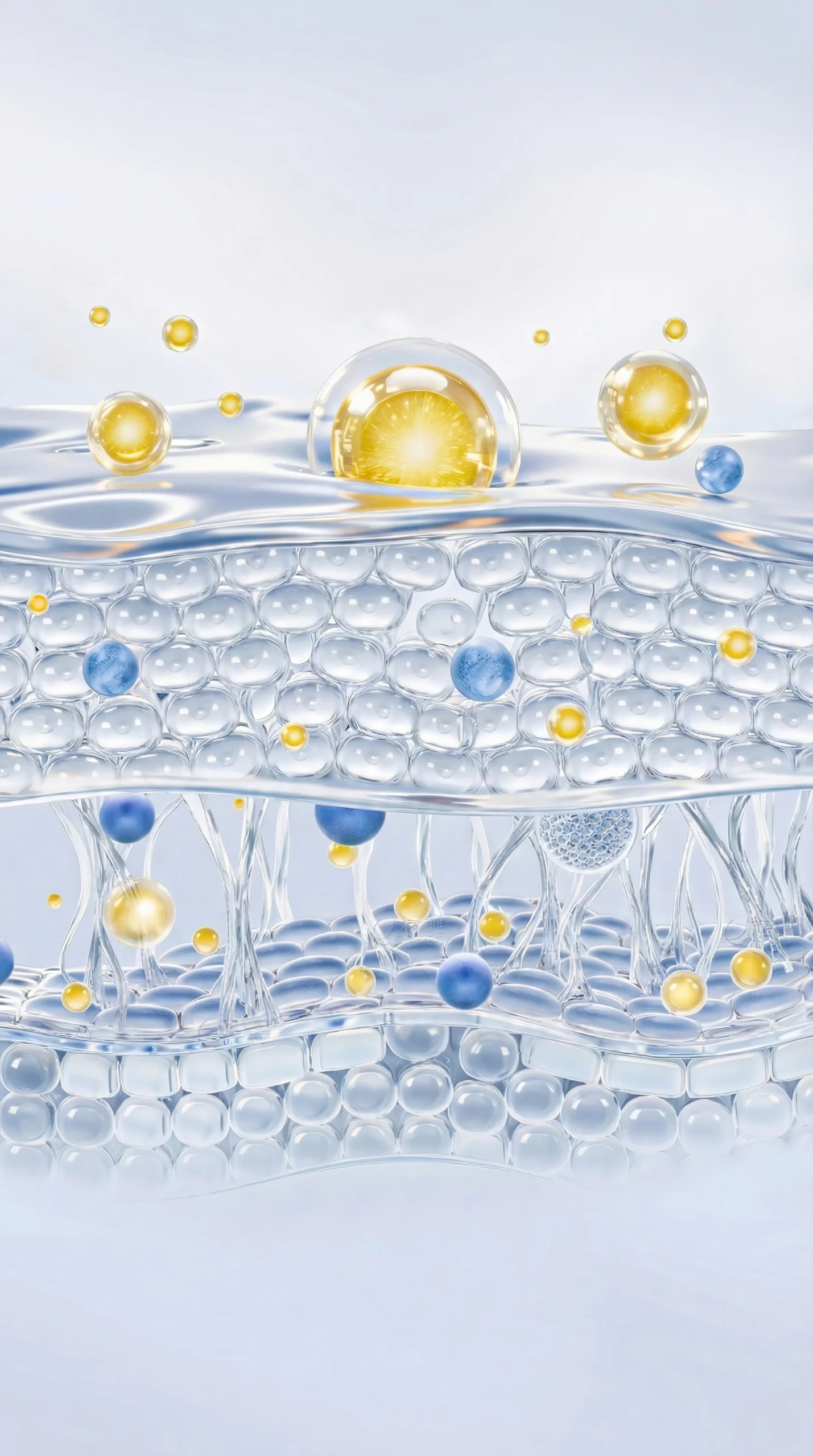
Beneath the skin, collagen and elastin fibers form an interconnected network that provides elasticity, firmness, and resilience, allowing the skin to stretch and return to its original shape. However, as we age, the body’s collagen production decreases by approximately 1% per year on average, while elastin fibers gradually deteriorate. As a result, the skin loses structural support and firmness, which may lead to dryness and a less smooth skin texture.

>> Skin-Damaging Factors That Accelerate Collagen Loss

In addition to the natural aging process, environmental factors and daily lifestyle habits can significantly contribute to premature collagen loss. These include exposure to UV radiation from sunlight, air pollution, chronic stress, insufficient sleep, and excessive sugar consumption. These factors can contribute to processes that cause collagen fibers to become stiff and damaged, accelerating their deterioration.

Therefore, changes in the skin are not caused by age alone. Rather, they result from a combination of surrounding factors that accelerate the weakening of the skin’s underlying structure. Adopting healthier lifestyle habits and protecting the skin from an early stage are therefore important steps in helping delay the development of skin laxity.
Checklist For Assessing Skin Sagging At Different Ages

The signs of skin laxity can vary at different stages of life. Regularly observing changes in the skin can help you determine its condition and select an appropriate approach to skincare.
At this stage, the skin generally retains good elasticity, but early signs of change may begin to appear, particularly from frequent facial expressions. These may include subtle nasolabial folds when smiling and increasingly visible pores around the cheeks, as skin cell turnover and collagen production gradually begin to stabilize.
Upon entering your 30s, the subcutaneous fat layer and collagen production may begin to decline more noticeably. The skin may gradually lose its firmness and resilience, feeling less supple and less able to return to its original shape. Nasolabial folds may become visible even when the face is at rest, while the facial contour may begin to show mild signs of sagging.
For those aged 40 and above, changes may extend deeper into the structures that support the skin. Reduced collagen levels and changes in the distribution of subcutaneous fat can contribute to deeper nasolabial folds, more pronounced marionette lines, downward-turning corners of the mouth, and sagging in the lower cheek area. These changes can significantly alter the appearance of the facial contour.
Observing changes in the skin at different stages of life can help you understand the current level of skin laxity. Targeted care based on individual skin concerns can help maintain the strength of the skin’s underlying structure and support a healthy, youthful-looking complexion.

5 Ways To Care For And Restore Sagging Skin At Home

For those who are beginning to notice signs of skin laxity, consistent daily skincare and lifestyle practices provide an important foundation for slowing skin deterioration and supporting collagen production.
Using skincare products containing vitamin A derivatives, such as retinol, or peptides may help support skin renewal and collagen production. Vitamin C can also help protect the skin from free radical damage while promoting a brighter-looking complexion.
Consuming high-quality sources of protein, such as fish, eggs, and various types of nuts, provides essential amino acids needed for collagen production. In addition, consuming fruits and vegetables rich in vitamin C and antioxidants can help protect against processes that contribute to collagen breakdown beneath the skin.
During deep sleep, the body releases Growth Hormone, which plays an important role in tissue repair and cellular recovery. Getting approximately 7–8 hours of sleep per night is therefore a natural way to support the skin’s recovery and overall health.
Sun exposure is one of the major factors that contributes to collagen breakdown in the skin. Applying a high-protection sunscreen every day, even when staying indoors, can help protect the skin’s structural fibers from damage caused by UVA and UVB radiation.
Reducing sugar intake, avoiding excessively sweet foods, drinking sufficient water throughout the day, and managing stress appropriately can help minimize processes that contribute to premature collagen deterioration.
Although basic self-care requires consistency and time before noticeable improvements may be seen, it provides an important protective foundation for maintaining healthy skin and helping delay the development of skin laxity over the long term.

Comparing Collagen Restoration Approaches: Self-Care vs. Medical Aesthetic Treatment

Many people may wonder how at-home skincare differs from medical aesthetic treatments and which approach is more appropriate for maintaining skin health and firmness.

Limitations Of Skincare And Self-Care

Skincare products and lifestyle modifications primarily focus on caring for and protecting the outer layers of the skin. They can help maintain hydration, improve skin texture, and delay the development of new wrinkles. However, skincare ingredients cannot penetrate deeply enough to directly reach deeper structural layers such as the SMAS layer or subcutaneous fat. Therefore, when significant or accumulated skin laxity is present, relying solely on topical skincare may provide limited results.

Medical Innovations For Stimulating Collagen In Deeper Skin Layers

When skin laxity becomes more noticeable, medical aesthetic technologies can play a role by delivering energy to deeper layers of the skin to stimulate collagen production. Options may include skin tightening with the Ulthera program or the Thermage program to support skin firmness, as well as procedures designed to stimulate collagen production beneath the skin. These approaches may help restore the skin’s underlying structure and promote a fuller, firmer appearance from within.
Understanding the difference between superficial skincare and treatments that target deeper skin structures can help you develop a more appropriate skincare plan and select an approach that best addresses your individual skin concerns.

Deep Skin Rejuvenation Options At Dr.Vanda Aesthetic Clinic

For those seeking to restore the underlying skin structure and achieve a more significant tightening effect, undergoing a professional skin assessment by a qualified physician can help ensure that the treatment plan is tailored to individual needs.

One option for individuals concerned about skin laxity and an undefined facial contour is the EndoliftX Light Scan program. This technology delivers light energy beneath the skin to target deeper skin structures, helping address localized excess fat while stimulating new collagen production. This can help promote a firmer and more defined appearance.
This innovative treatment may be suitable for individuals experiencing sagging cheeks, nasolabial folds, a double chin, or an undefined facial contour, as well as those seeking to rejuvenate deeper skin layers without undergoing surgery. EndoliftX Light Scan can help refine the facial contour while simultaneously addressing overall skin quality in a targeted manner.
Choosing a skin-tightening treatment should begin with a comprehensive assessment of the individual’s facial structure by a physician. This allows the physician to evaluate the skin layers, amount of subcutaneous fat, and degree of skin laxity for each individual. At Dr.Vanda Aesthetic Clinic, Dr. Vanda places great importance on detailed skin assessment in order to develop an EndoliftX Light Scan treatment plan that is appropriate for each patient’s individual facial structure.

If you have begun to notice changes in your skin and are looking for an appropriate rejuvenation approach, consulting with a physician can provide you with accurate information and help you make a confident decision about the most suitable skincare and treatment options.

Managing age-related skin laxity requires a combination of healthy lifestyle habits, consistent skincare, and appropriate medical aesthetic technologies to address deeper skin structures when necessary. If you are looking for an approach to restore a firmer, tighter-looking appearance, you can consult with Dr. Vanda at Dr.Vanda Aesthetic Clinic for a professional skin assessment and a personalized treatment plan.
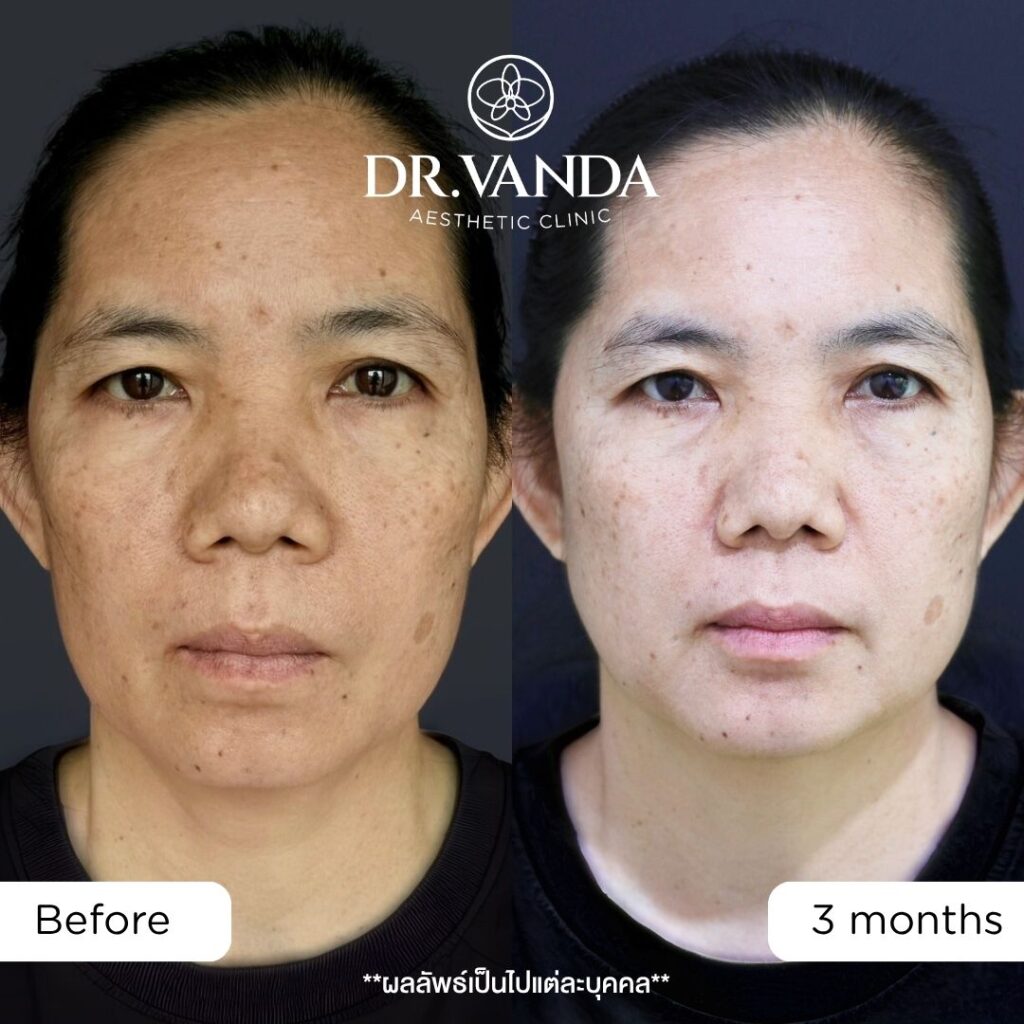
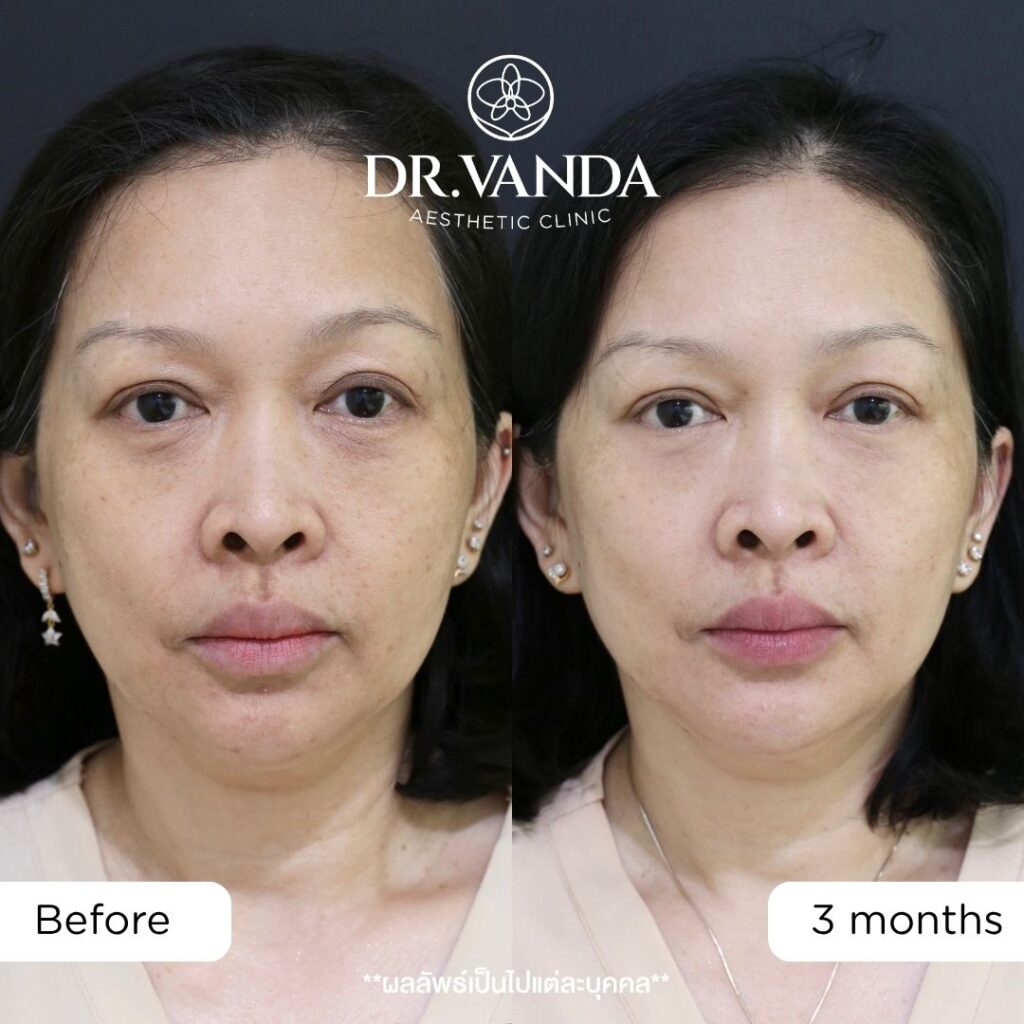
( Review EndoliftX From Dr.Vanda Aesthetic Clinic )

OTHER ARTICLE

CELEBRATING BEAUTY , THE ART OF LIFE

In our pursuit of redefining beauty, we do not only transform appearances but also uplift spirits and inspire confidence for our valued patient.