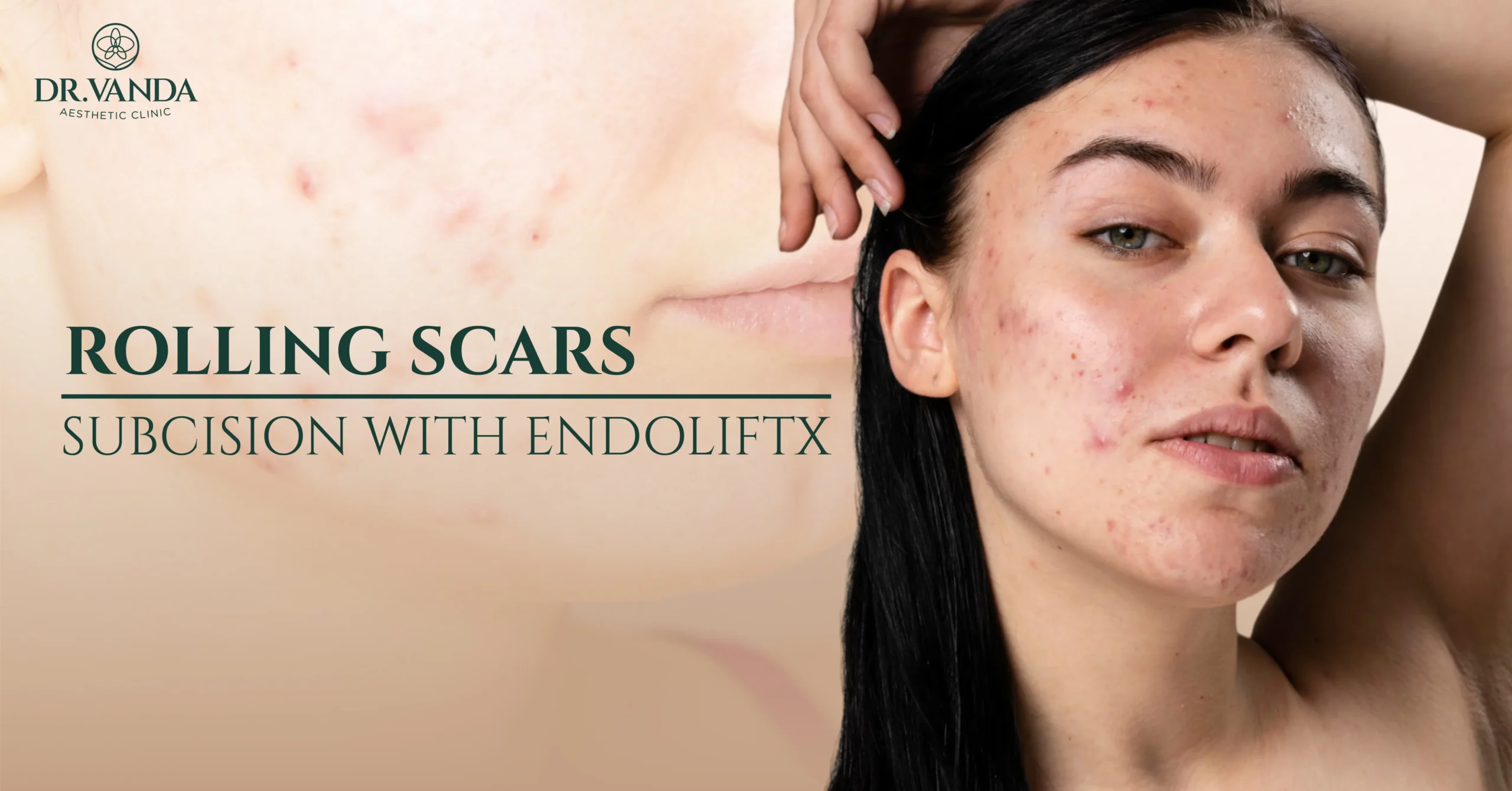
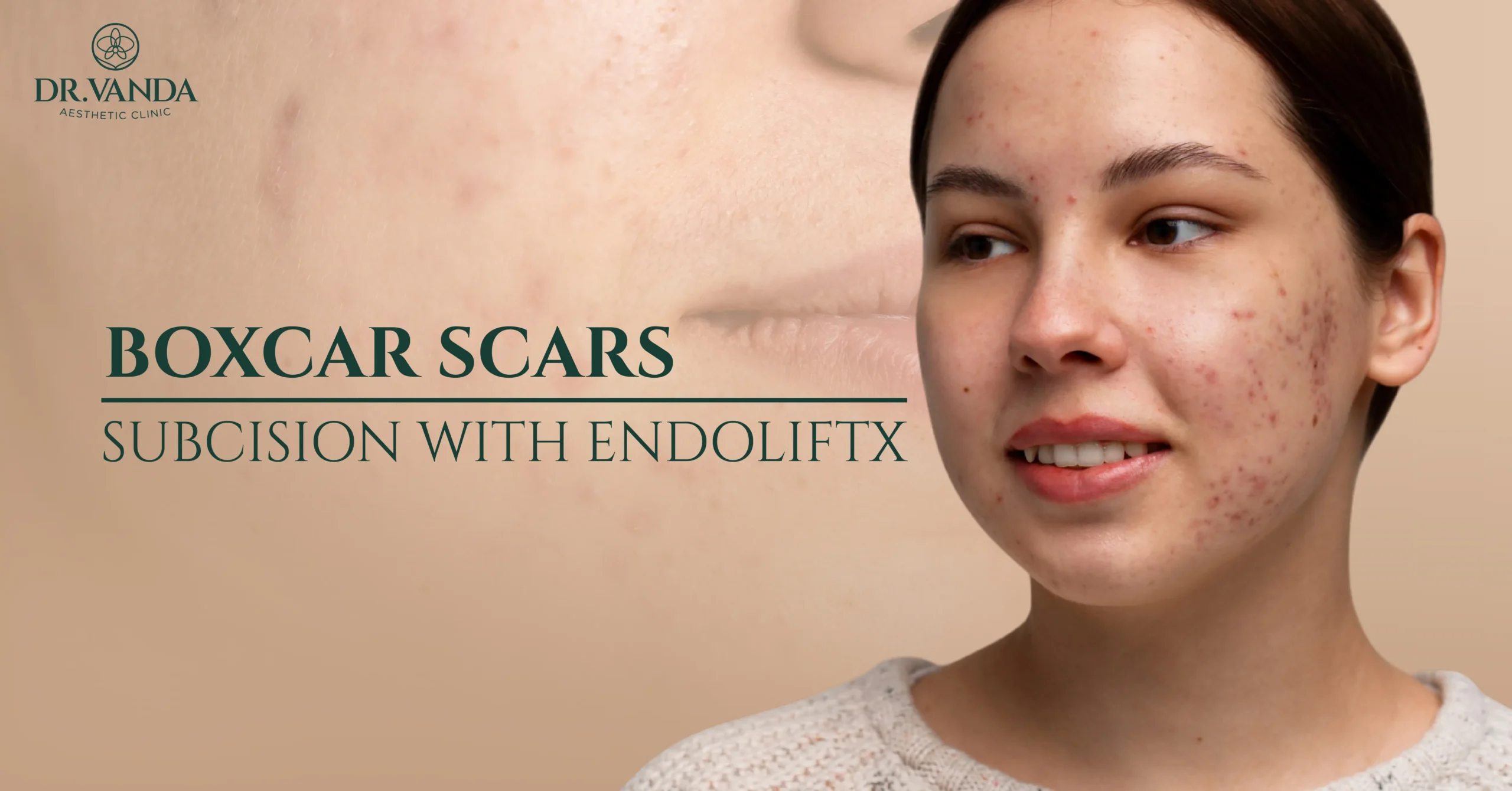
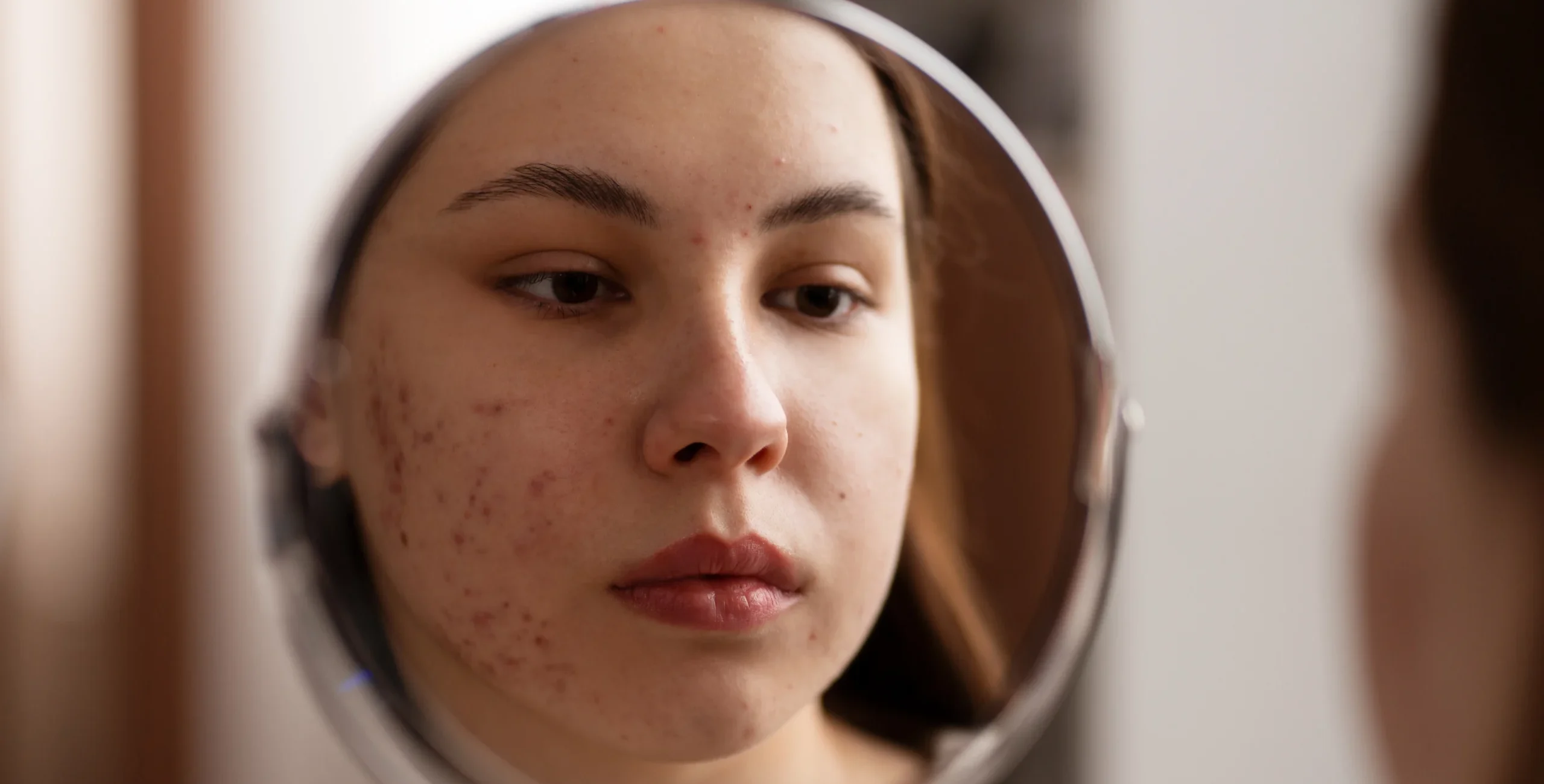
Many individuals who have experienced severe inflammatory acne, cystic acne, or even chickenpox in the past may be left with deep scars on the face after the wounds have healed. One particularly concerning type is the acne scar characterized by well-defined edges, a broad opening, and a depressed base resembling a box, medically known as a “Box Scar.” This type of atrophic acne scar can be particularly challenging to address due to its more complex underlying structure compared with other types of acne scars.
Advances in aesthetic technology have significantly expanded the available approaches for managing this type of acne scar. This article explores why Box Scars can be particularly difficult to improve, while taking an in-depth look at the role of EndoliftX Light Scan in addressing fibrotic tissue beneath the skin. The information is intended to provide guidance for individuals seeking a targeted approach to improving their skin concerns and to support informed decision-making.
Understanding “Boxcar Acne Scars”: Why Are They Considered Particularly Difficult To Smooth?
Boxcar acne scars are among the common types of atrophic scars found in individuals with a history of severe inflammatory acne. Their distinctive characteristics include clearly defined, steep scar edges, with the opening of the scar and its base being relatively similar in width. This creates a visible depression or indentation in the facial skin, distinguishing Box Scars from rolling scars, which tend to have shallower depressions, and ice pick scars, which have narrow openings and extend deeper into the skin.
The difficulty in improving the appearance of this type of scar is primarily associated with its underlying skin structure. When deep inflammation occurs, the body produces fibrous or scar tissue (Fibrotic Tissue) to stabilize and repair the damaged area. This fibrotic tissue is not limited to the base of the scar, where vertical tethering can pull the skin downward. It may also form diagonally and around the edges of the box-shaped depression. As a result, the transition between normal skin and the scar can appear particularly sharply defined.
In-Depth Look At EndoliftX Light Scan: Subdermal Laser Technology
For Addressing Fibrotic Tissue In Boxcar Acne Scars
As aesthetic technology continues to advance, approaches to acne scar management are no longer limited to treatments performed exclusively on the skin surface. EndoliftX Light Scan is designed to address deeper skin concerns by delivering laser energy directly beneath the skin, targeting the fibrotic tissue associated with depressed acne scars.
This technology utilizes energy at a specific wavelength delivered through an ultra-fine fiber into the targeted subdermal tissue without creating a large wound on the skin surface. This approach combines fibrotic tissue release with structural skin remodeling, providing a more targeted approach to the management of Boxcar acne scars.
Comparing Approaches For Boxcar Acne Scars: EndoliftX Light Scan And Other Treatment Options
There are currently various approaches available for managing Boxcar acne scars, each with its own characteristics and limitations. Understanding and comparing these approaches can help individuals with acne scars consider options based on their skin condition and preferred recovery period.
Traditional Subcision involves inserting a fine needle beneath the skin to mechanically release fibrotic tissue, which may result in some swelling or bruising. Meanwhile, surface laser treatments, such as Fractional CO2 Laser or Pico Laser programs, primarily focus on skin resurfacing and stimulating collagen in the superficial skin layers. EndoliftX Light Scan, in contrast, combines the use of laser-generated thermal energy to address subdermal fibrotic tissue with stimulation of new tissue formation within the same procedure.
- EndoliftX Light Scan: Focuses on inserting an optical fiber beneath the skin to release fibrotic tissue using thermal energy while stimulating collagen production in the deeper layers. It allows for targeted treatment with limited impact on the superficial skin.
- Traditional Subcision: Uses a needle to mechanically release fibrotic tissue beneath the skin. It may be suitable for broader areas of tethering, but can result in more noticeable swelling or bruising and does not directly provide thermal energy for collagen stimulation.
- Superficial Resurfacing Laser Treatments (Fractional Laser / Pico Laser): Focus on delivering energy from the skin surface and are primarily intended to improve the texture of the superficial skin and address shallower acne scars. Their ability to directly reach dense fibrotic tissue in deeper layers may be limited.
Results And Recovery Timeline After EndoliftX Light Scan
The timeline and changes following treatment are important considerations for individuals undergoing acne scar management. Improving Boxcar acne scars with EndoliftX Light Scan involves an interaction between the technology used and the body’s own biological response.
Because the procedure relies in part on stimulating the body to produce new collagen beneath the skin, changes do not occur immediately. Instead, they gradually become more apparent as the skin’s natural repair processes progress. In general, the skin begins to undergo remodeling and continuously produce new tissue over the course of several weeks following the procedure.
How Many Sessions Are Needed Before Changes Become Noticeable?
The number of EndoliftX Light Scan sessions required depends on factors such as acne scar depth, the extent of fibrotic tissue, and each individual’s capacity for collagen production. In general, moderately to deeply depressed Boxcar acne scars may require approximately 1–3 treatment sessions, with intervals between sessions as recommended, allowing sufficient time for the underlying tissue to recover and produce new collagen.
Post-Treatment Care To Support The Collagen Remodeling Process
Skin recovery following acne scarring requires patience and sufficient time for the body to produce and remodel new tissue. Following recommended post-treatment care carefully can help support a smooth recovery process and allow the skin to develop naturally according to each individual’s regenerative capacity.
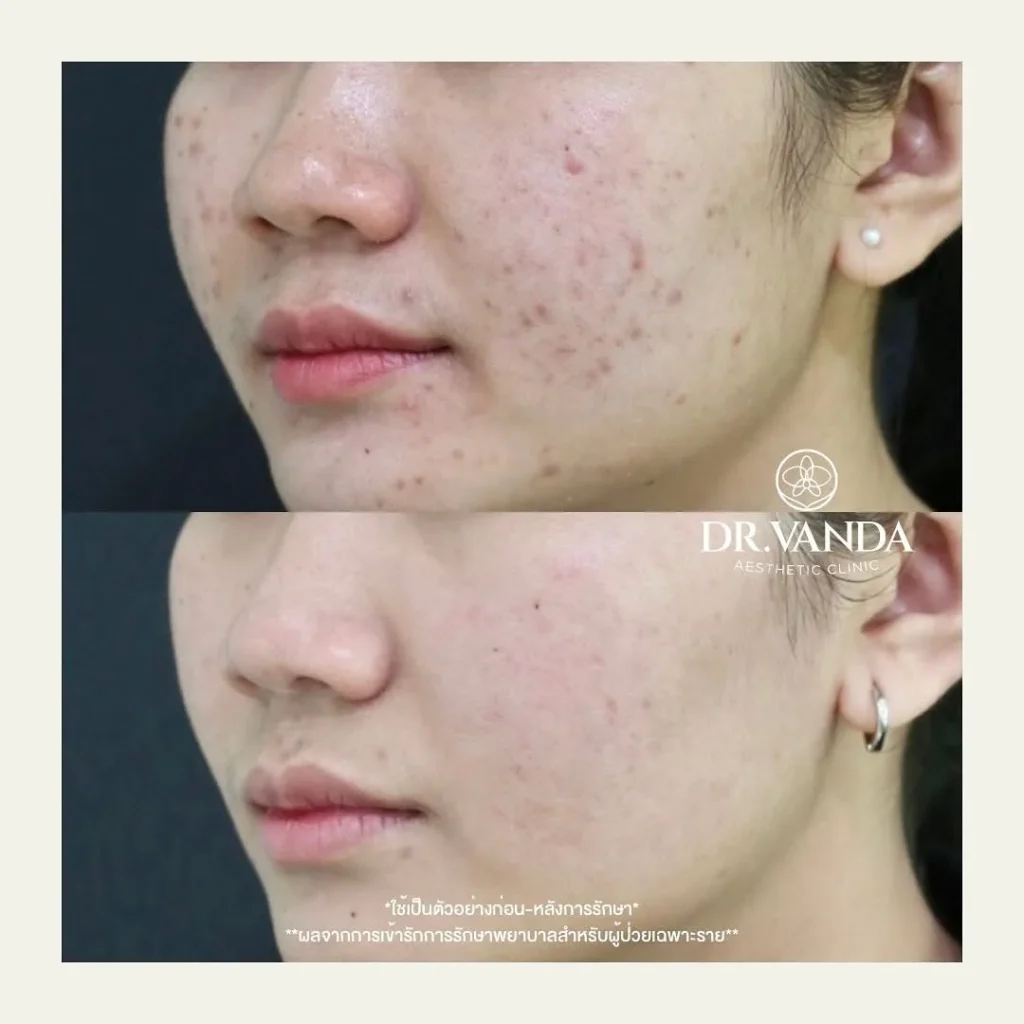
( Review EndoliftX From Dr.Vanda Aesthetic Clinic )
Why Should Deeply Fibrotic Acne Scars Be Evaluated By A Qualified Medical Professional?
Boxcar acne scars can vary considerably in terms of their location, depth, and the amount of fibrotic tissue beneath the skin. Accurate skin assessment before treatment is therefore particularly important, as the facial anatomy and underlying tissue structures of each individual contain different patterns of nerves and blood vessels.
The use of advanced technology such as EndoliftX Light Scan requires a thorough understanding of facial anatomy. Planning the direction in which the laser fiber is inserted, determining the appropriate treatment depth, and controlling the amount of thermal energy delivered beneath the skin are important considerations for targeting fibrotic tissue appropriately and minimizing the risk of unwanted effects.
Skin Structure Assessment And Personalized Treatment Planning At Dr.Vanda Aesthetic Clinic
At Dr.Vanda Aesthetic Clinic, the management of acne scars begins with a skin assessment by Dr. Vanda to evaluate the type of acne scars and the extent of underlying fibrotic tissue in detail. A personalized treatment approach is then planned based on each individual’s skin condition and goals, with the aim of ensuring that the use of EndoliftX Light Scan is appropriately matched to the specific skin concerns being addressed.
For individuals experiencing Boxcar acne scars or other difficult-to-address depressed acne scars who would like further information about EndoliftX Light Scan, appointments can be made at Dr.Vanda Aesthetic Clinic for a skin assessment and consultation with Dr. Vanda.


( Review EndoliftX From Dr.Vanda Aesthetic Clinic )